

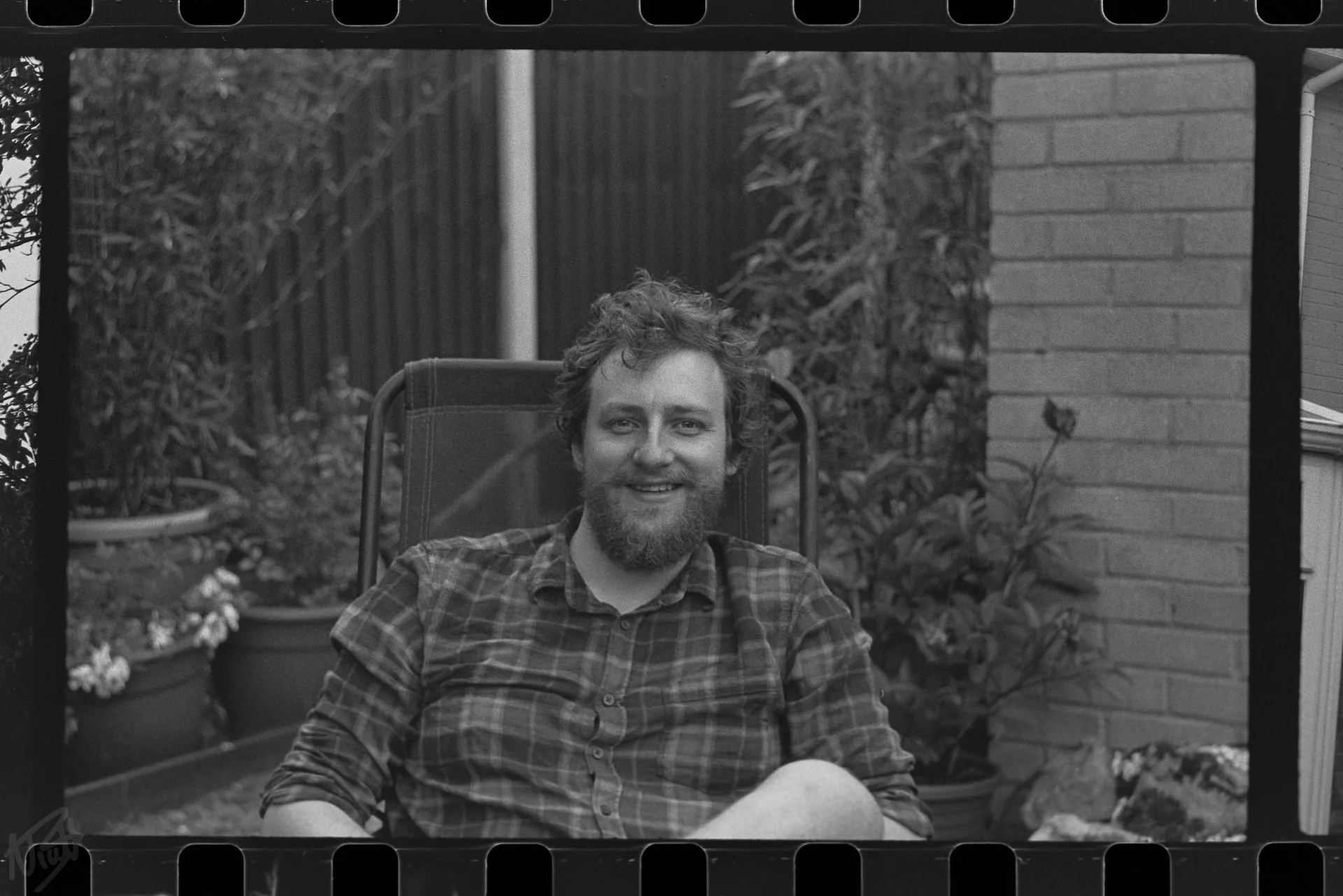
We live in a world where it’s becoming easier and easier to take shortcuts, and in some disciplines you don’t even need to do the thinking.
A few years ago I was faced with a whole deluge of people online claiming to be photographers before presenting their mediocre work. Advancements in camera tech have allowed more people to access incredible equipment, and as a result the number of people taking photographs has increased in a big way.
After thinking about what I means to be a photographer, I came to the conclusion that it’s more than just picking up a camera, choosing the correct settings, focussing and taking a photograph. It’s also about the intention, and the reasons for choosing that subject, the thoughtful composition, the time of day, the knowledge of the subject, and more.
Further thinking drew me down another path. Photography has changed over the last 50 years in a big way. It’s now easy to take a quantity over quality approach to, spray and prey that you get something ‘good’. This is, to some extent, unavoidable. However, I don’t so much like this approach unless it’s backed by a solid understanding of the what you are trying to achieve, and I think that is a skill which is best learned when you can’t spray and prey.
Analogue Photography
I’ve written at length about why I choose to still shoot film in fully mechanical cameras, and develop the film myself. Much of what feeds into the above paragraphs come from those explorations. How