
Gallery
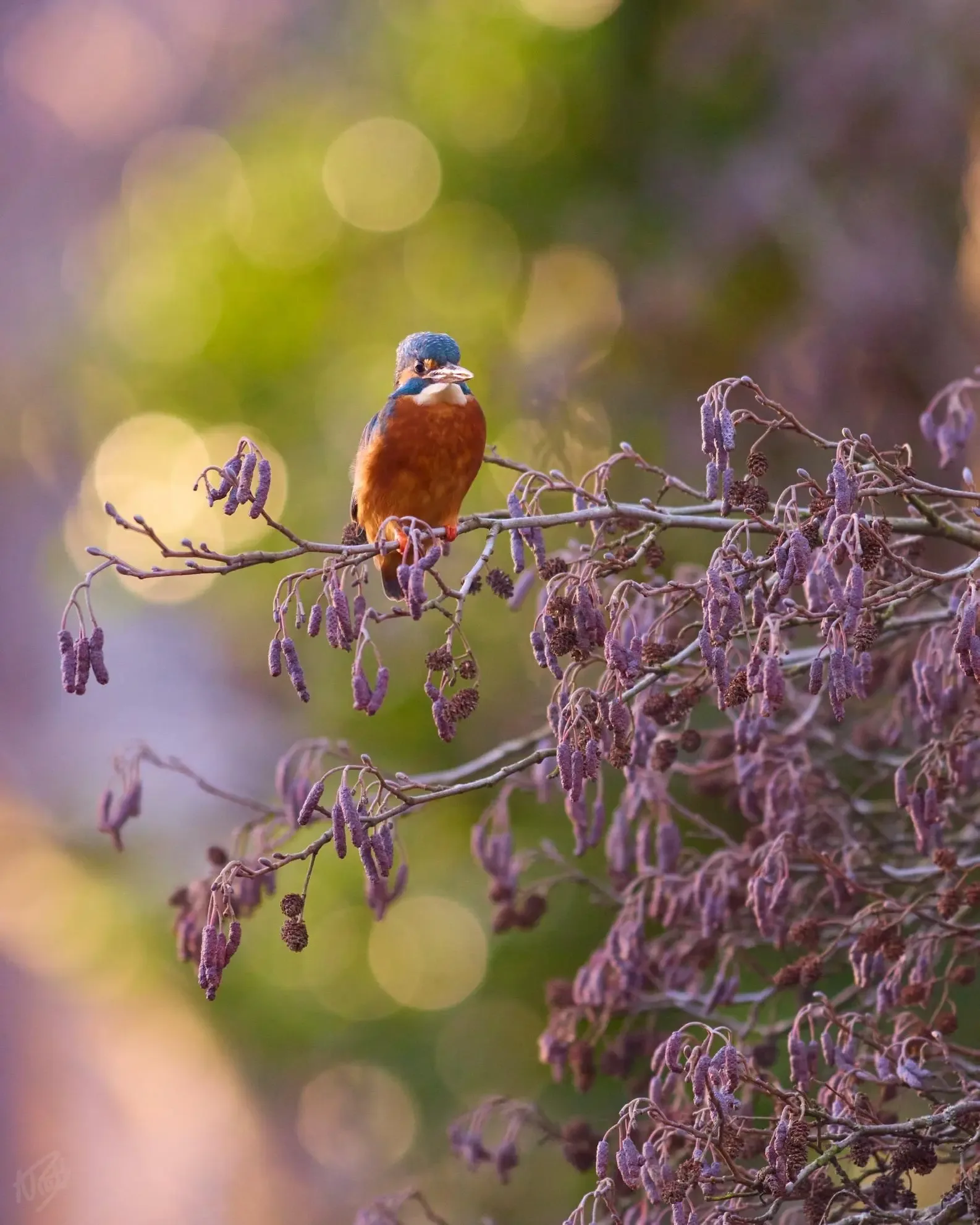
Kingfisher in the Evening Light
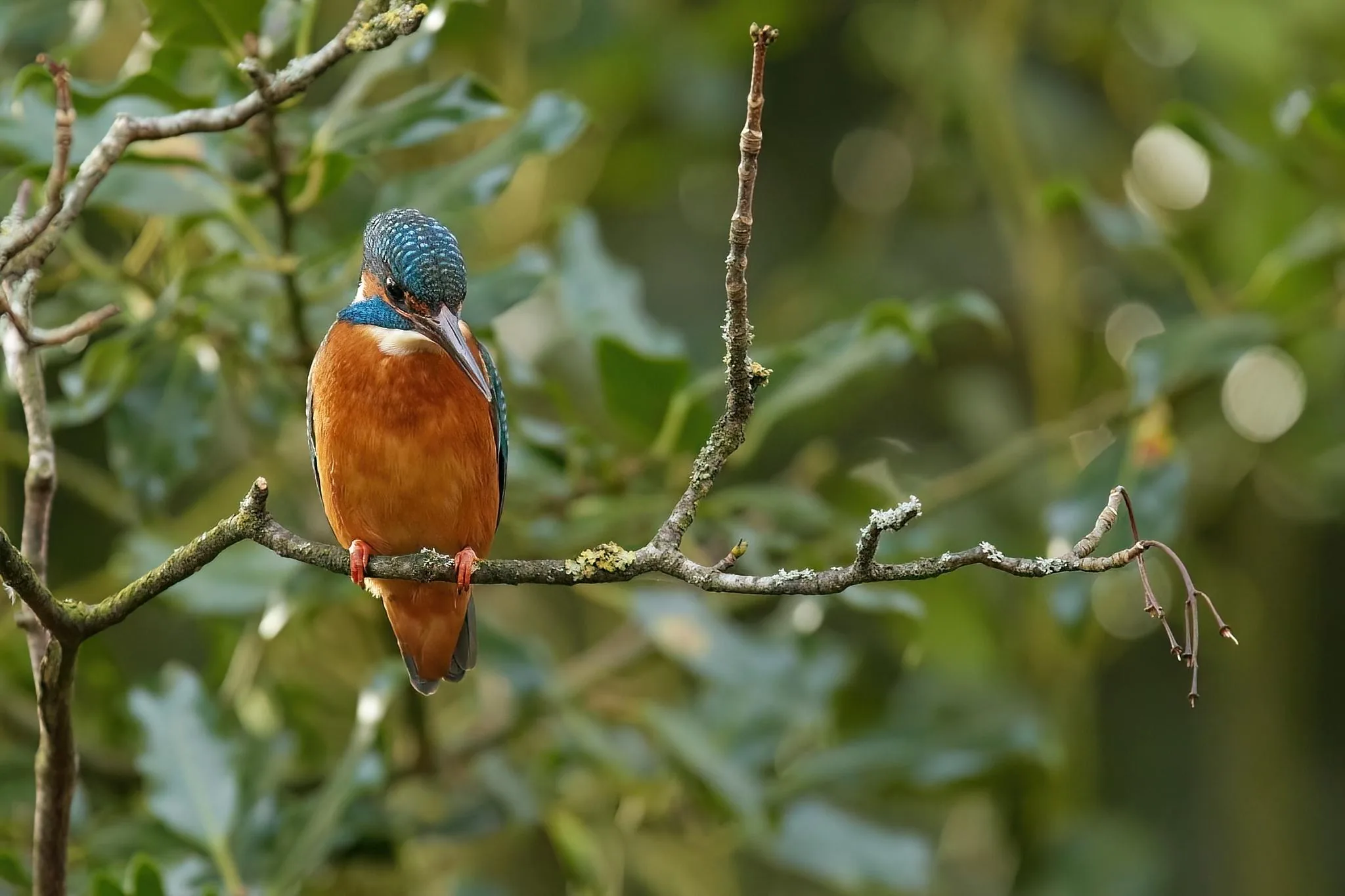
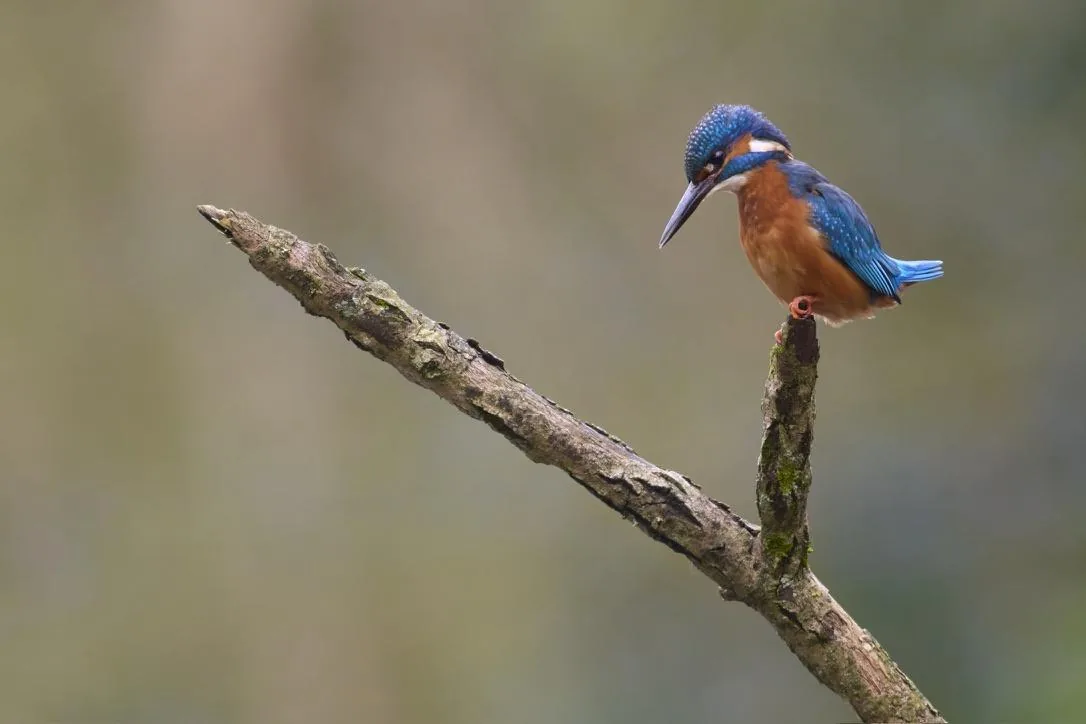
The kingfisher is a solitary and territorial bird, defending a stretch of river or canal year-round. Outside the breeding season, males and females occupy separate territories. Its striking plumage, electric blue above and vivid orange below, makes it one of Britain’s most recognisable birds.
The Iridescent Back
The brilliant blue-green of the kingfisher’s back and crown is not a pigment but a structural colour, produced by the way light interacts with the feather microstructure. The effect shifts with the angle of light, ranging from deep teal to dazzling turquoise.
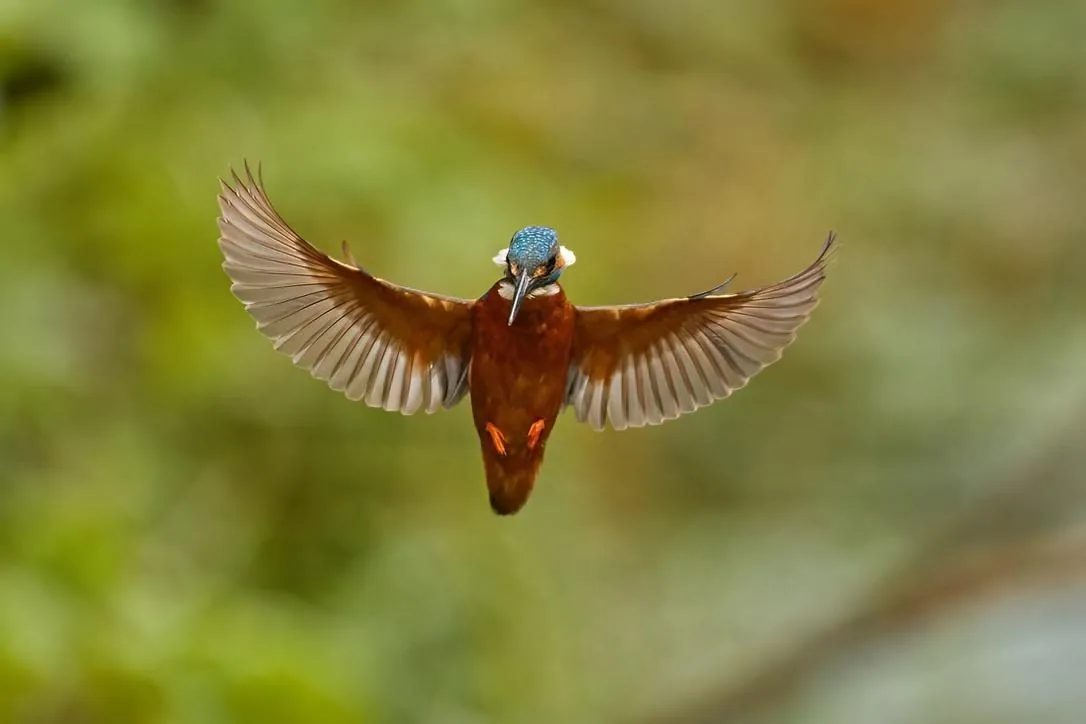
Hovering Before the Dive
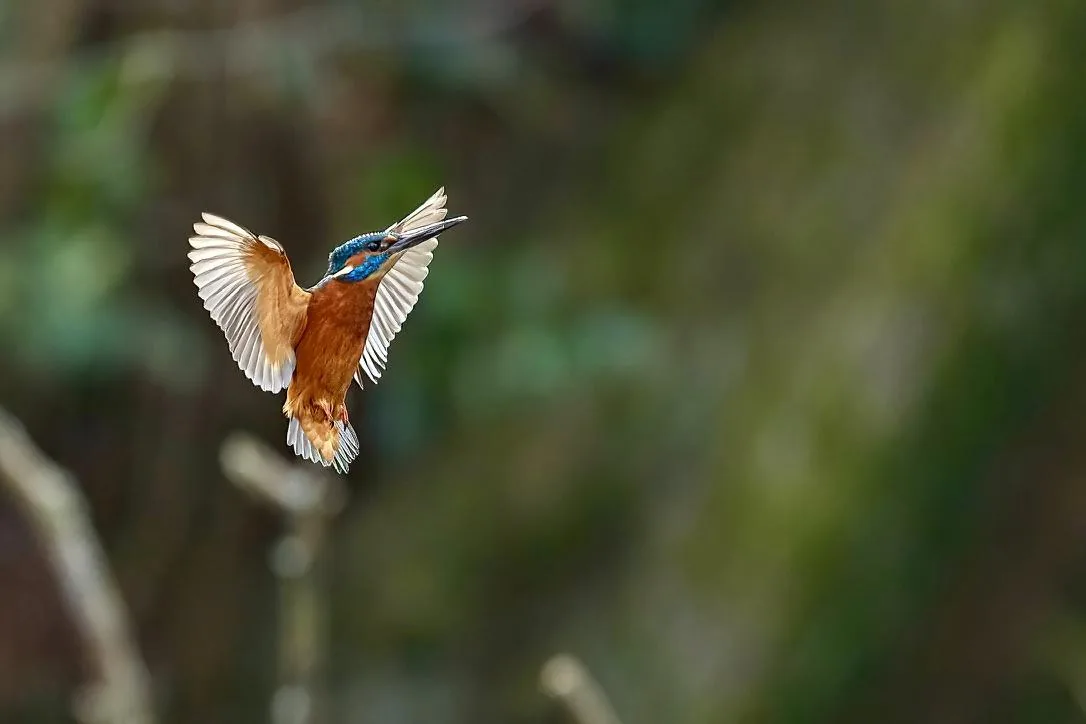
Before plunging into the water, a kingfisher will hover briefly to line up a strike. It can judge depth and the refraction of light with precision, tilting its head to correct for the bending of light at the water’s surface before committing to the dive.
The Dive
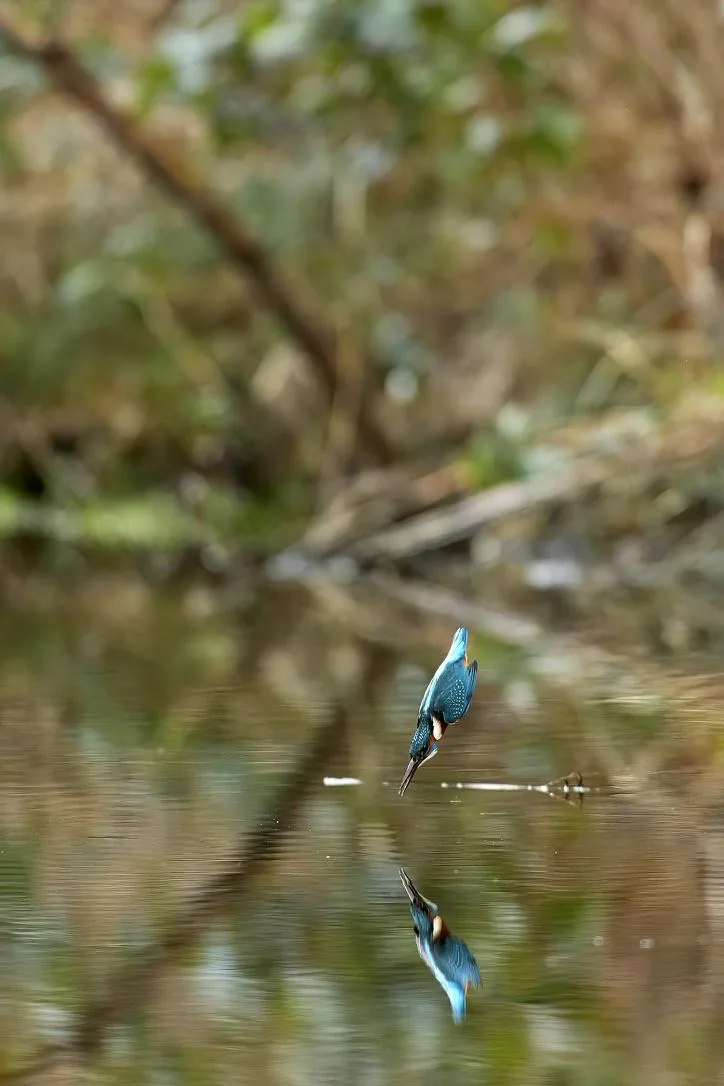
The kingfisher dives from a perch or hover, closing its eyes as it enters the water and relying on momentum to carry it to the fish. The whole sequence is over in a fraction of a second. It can plunge to a depth of around 25 centimetres.
Courtship Feeding
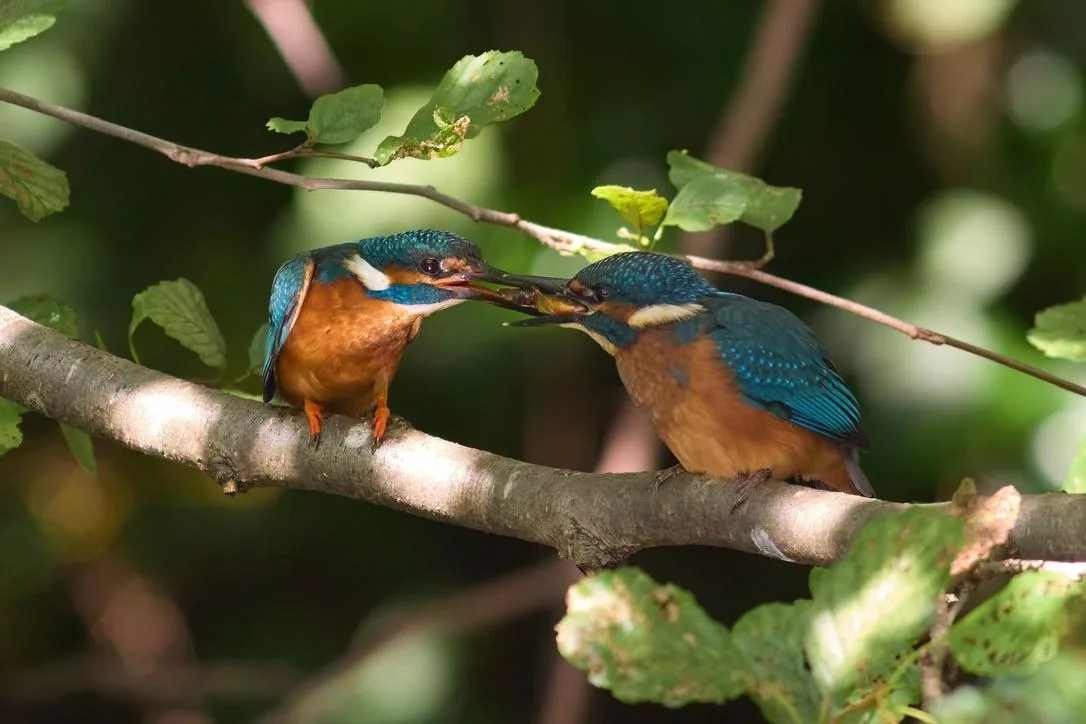
During courtship, the male kingfisher presents the female with a fish, passing it beak to beak. If she accepts, the pair are likely to breed together. This behaviour helps establish the pair bond early in the season, and a successful pair can raise two or three broods.
Watching the Water
Kingfishers hunt from low perches above the water, scanning for small fish just below the surface. Their eyes are adapted to give clear vision both above and below water. They can detect a fish just two centimetres long from a metre above the surface.
Back to the Perch
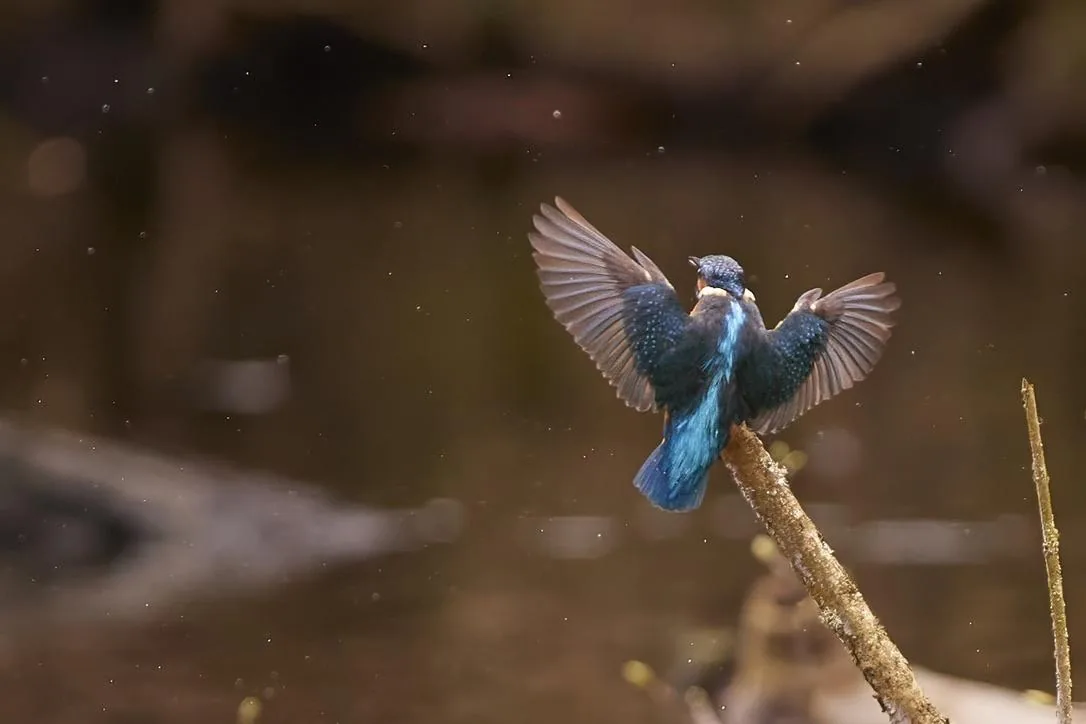
A kingfisher returns to its perch after a dive, wings still outstretched as it settles. If the dive was unsuccessful it will resume its watch immediately. Kingfishers typically consume their own body weight in fish each day, making regular successful dives essential to their survival.
Winter Kingfisher
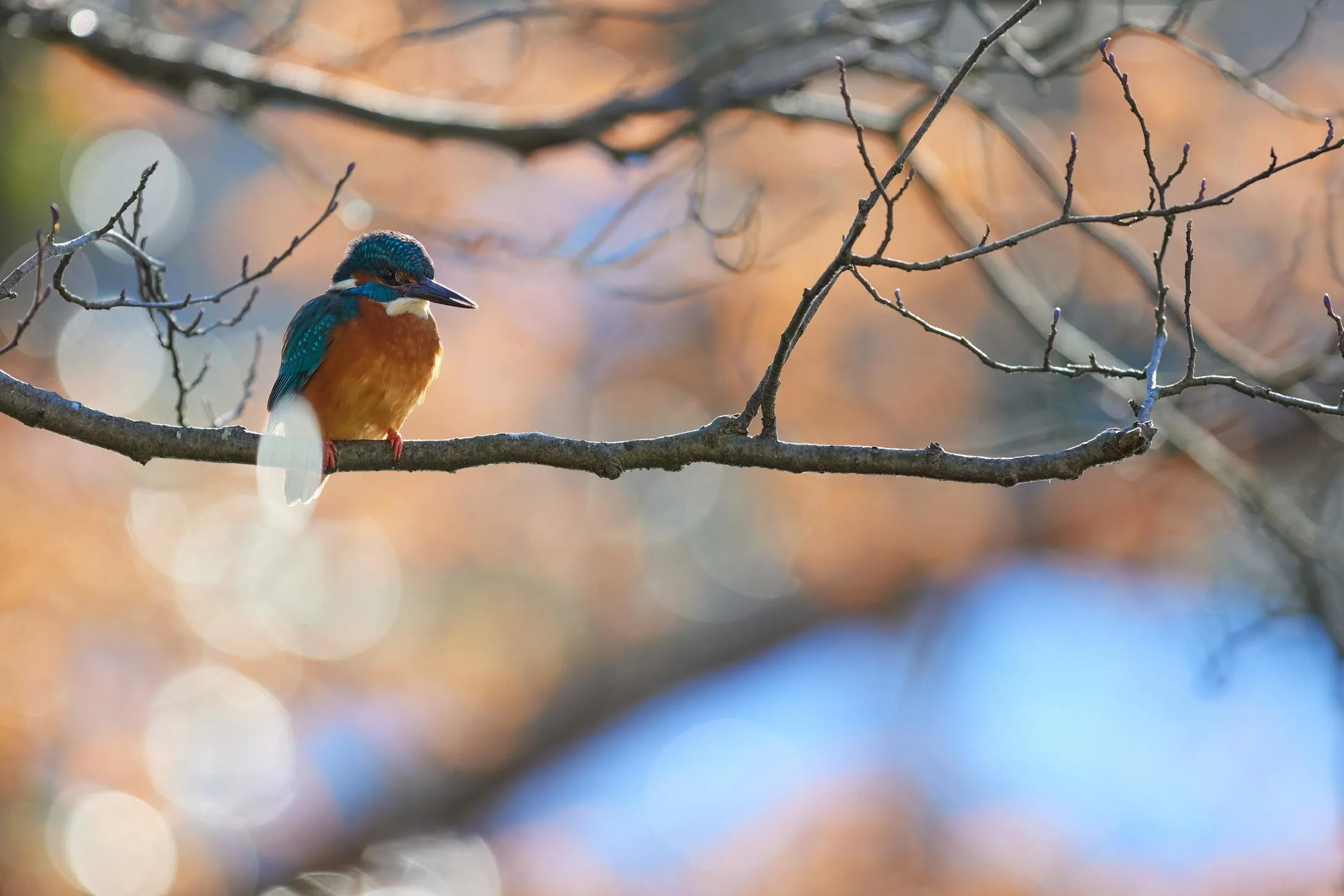
Kingfishers remain in Britain year-round but are vulnerable in hard winters when rivers and lakes freeze over. During cold spells they may move to estuaries and the coast where the water stays open. Many do not survive prolonged freezes, and severe winters can significantly reduce the population.
Low Over the River
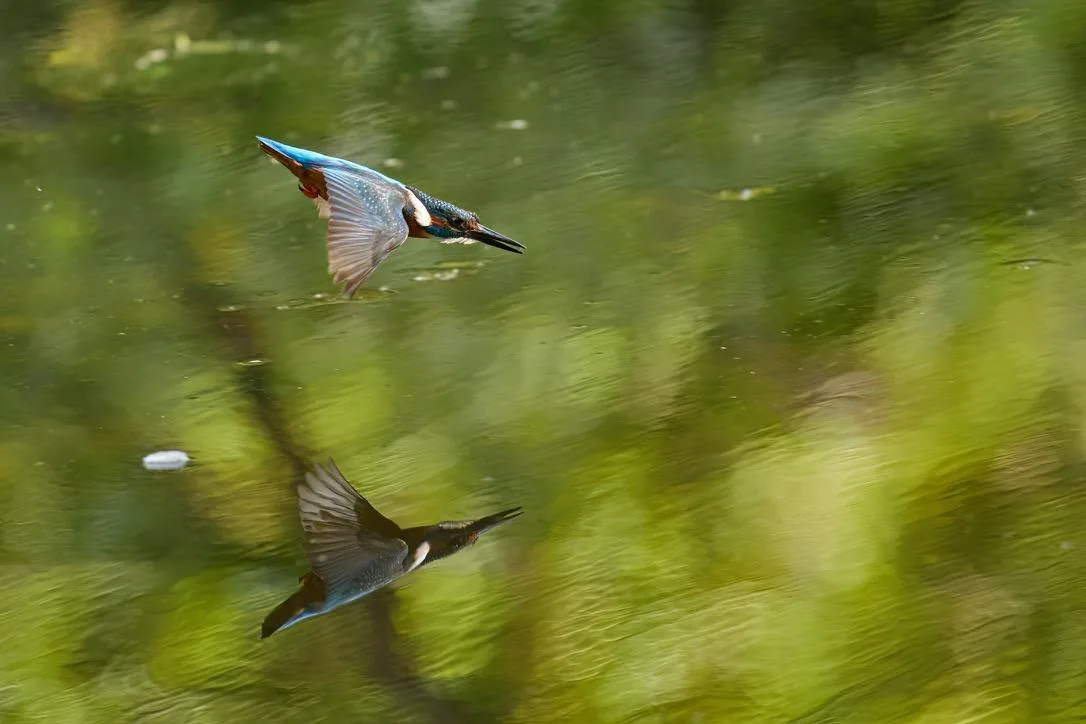
Kingfishers fly fast and low, typically following the course of a stream or river. Their high-pitched, whistling call often announces their presence before they are seen. The whole bird is only around 16 centimetres long, roughly the size of a sparrow, though it looks larger in flight.
Kingfisher Hovering
When hovering, a kingfisher beats its wings rapidly to hold position while fixing its gaze on a target below. The head remains perfectly still even as the body and wings move. This technique is more common where suitable perches are absent, such as over open water or wide slow rivers.