
Gallery
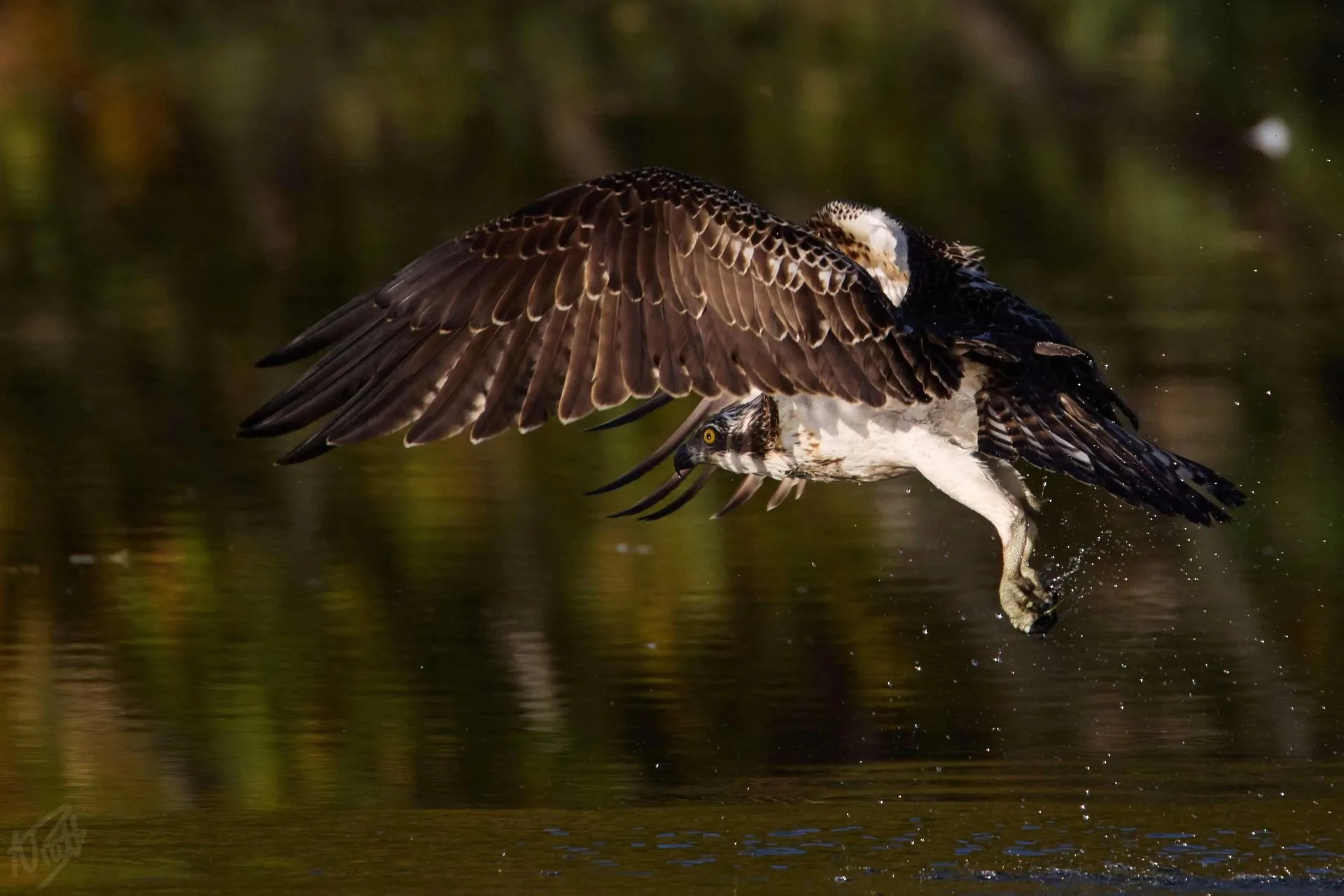
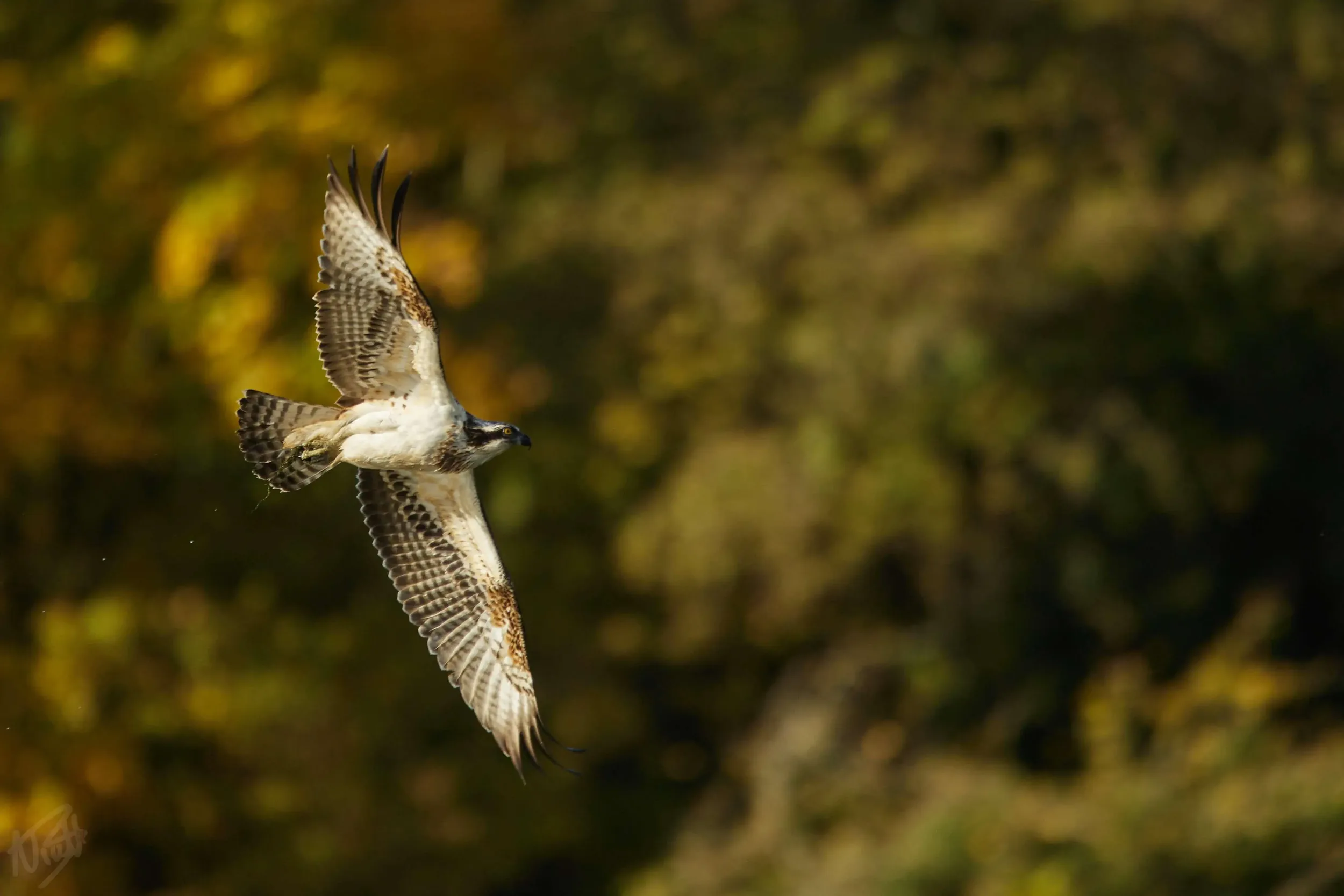
Coming Up Empty
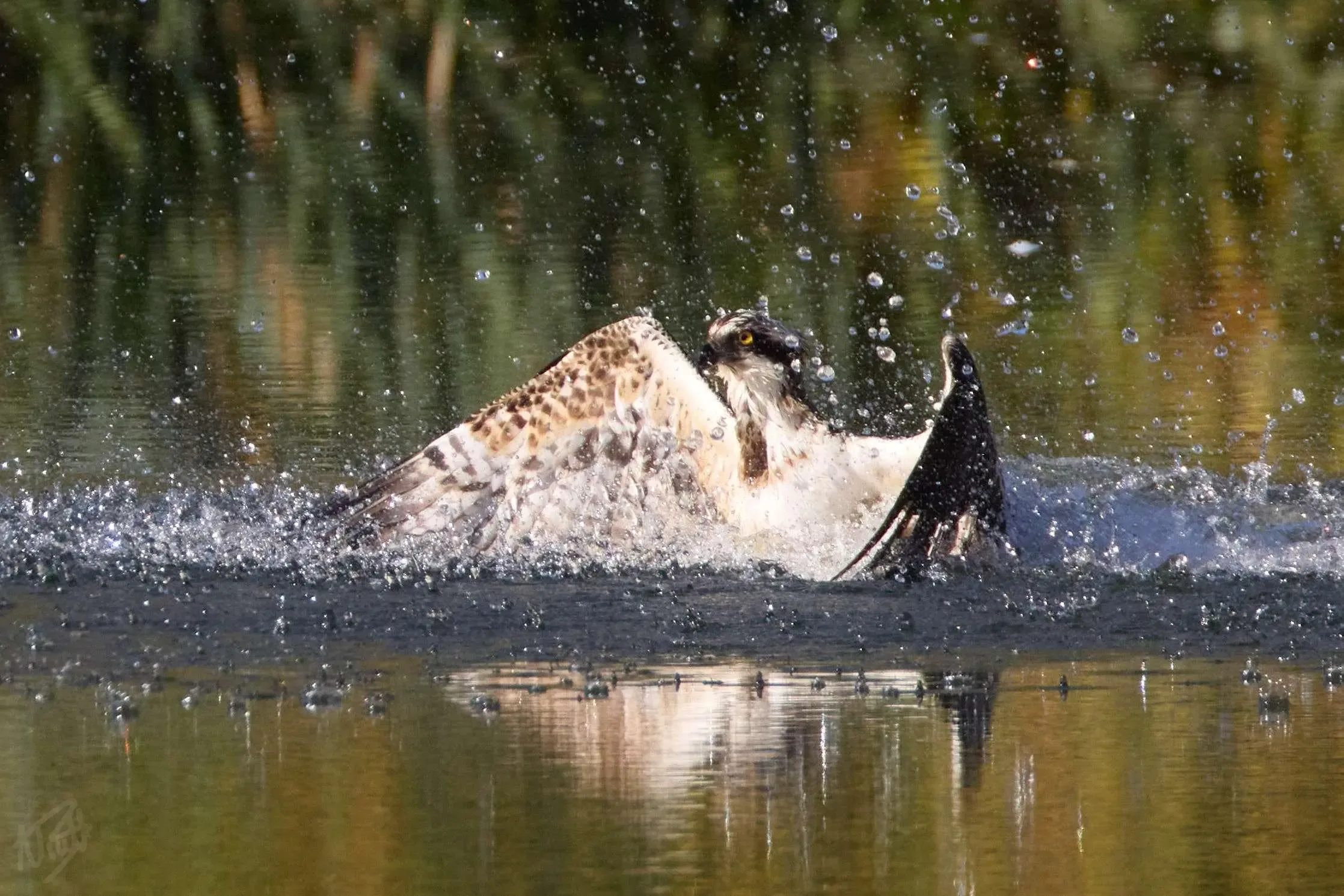
Ospreys miss more often than they succeed. A dive may end with nothing, and the bird must haul itself clear of the water, shake off, and resume hunting. Their reversible outer toe and rough, spiny foot pads give them the best possible grip when they do connect with a fish.
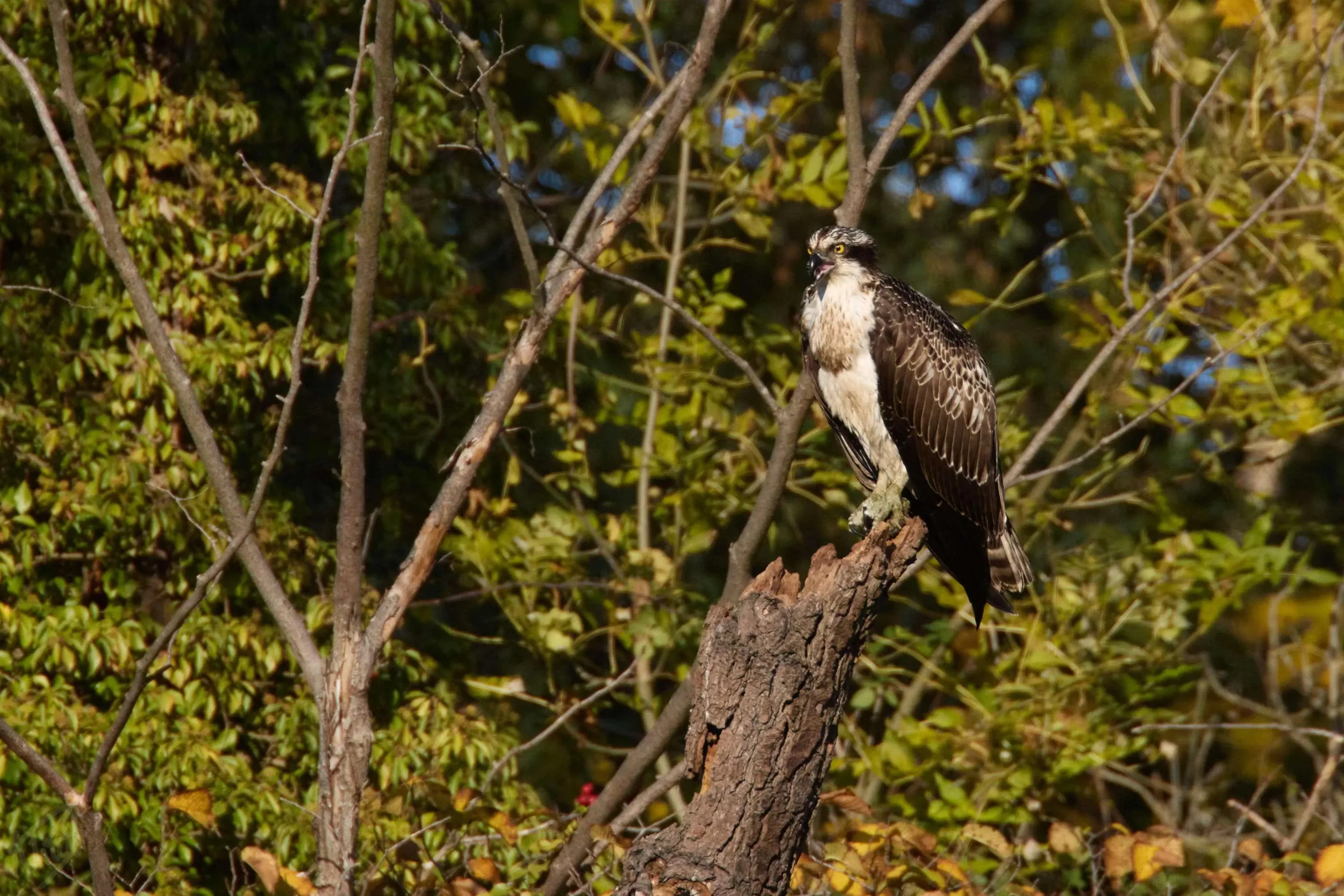
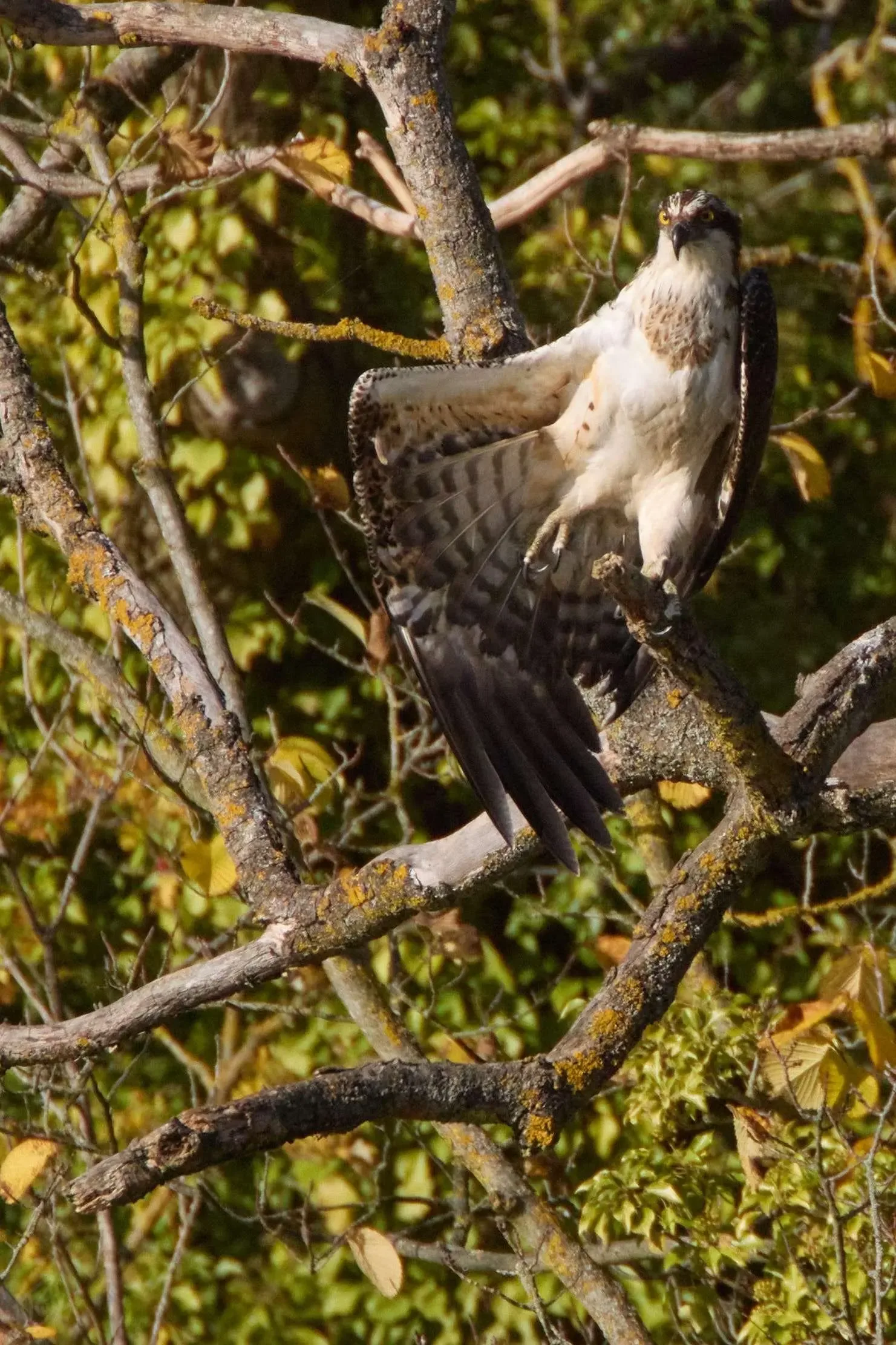
Osprey on the Stump
Ospreys perch in prominent positions overlooking water, scanning for fish before committing to a dive. They prefer tall, exposed trees near the water’s edge where they have a clear view. The same perches are often used repeatedly throughout the season by the same individual.
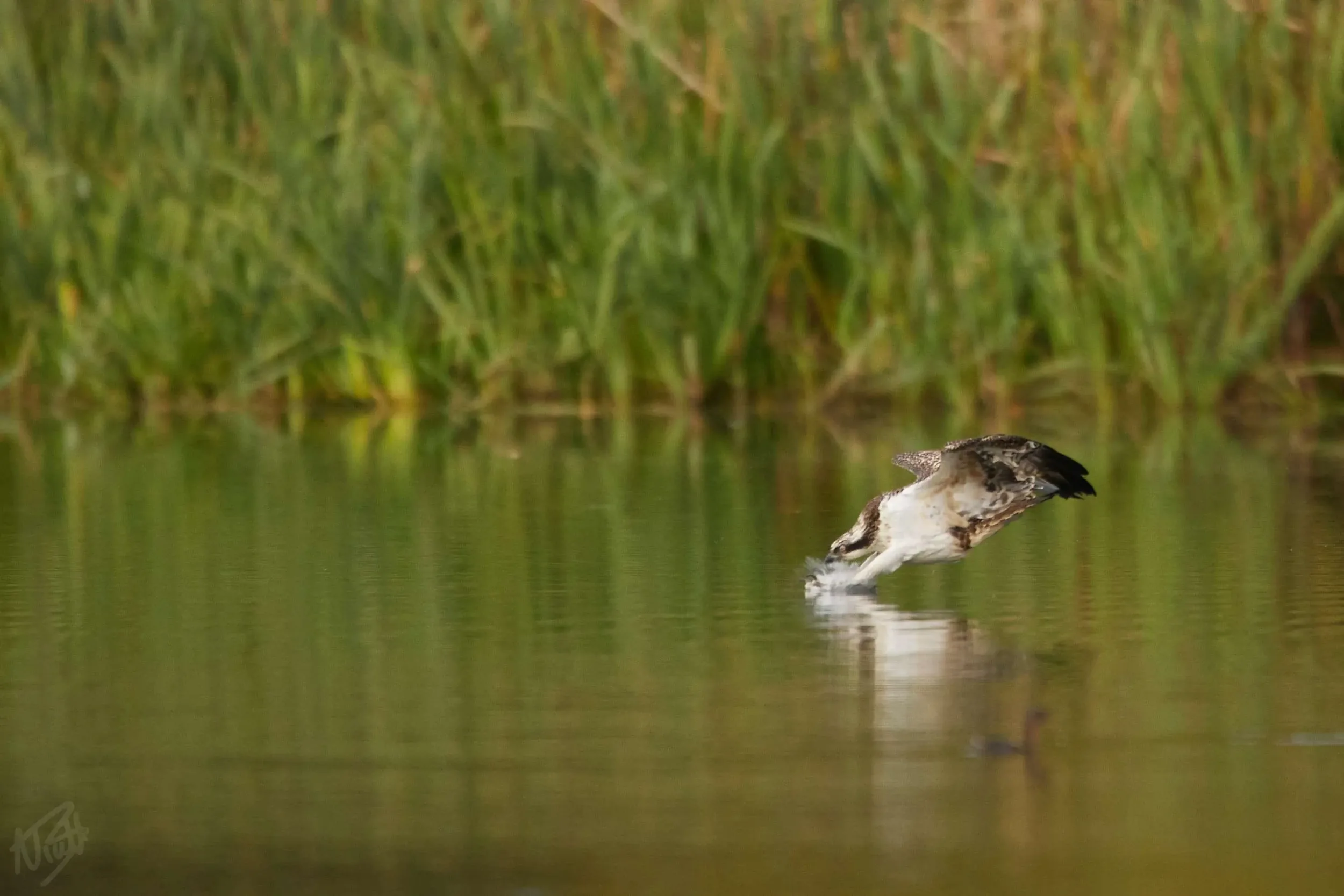
Hitting the Water
The osprey enters the water feet-first, sometimes submerging completely before hauling itself clear. This moment of impact represents the end of a precise sequence beginning with the bird hovering and locking onto a target from height. The strike can generate enough force to carry the bird fully under.
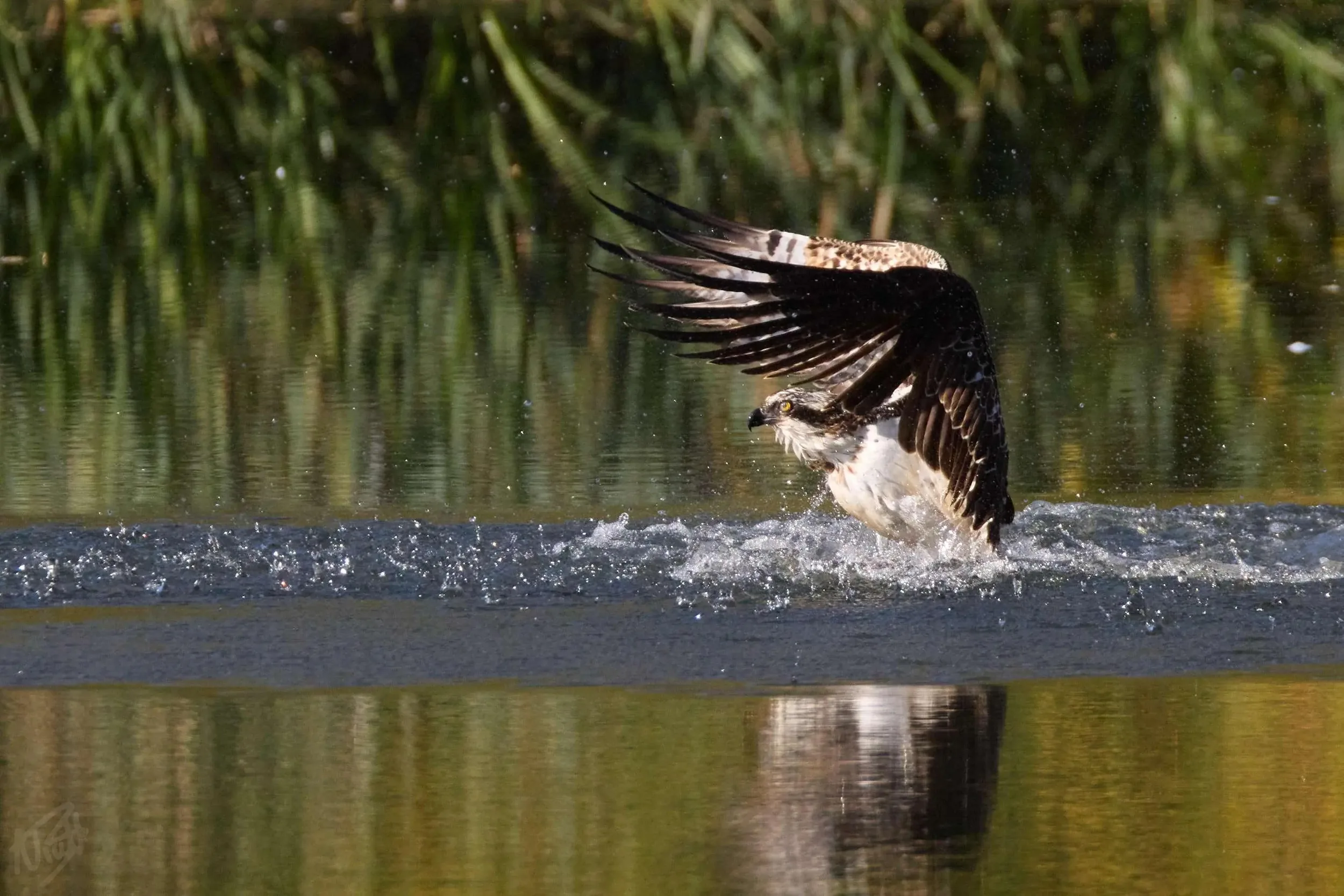
Lifting Off After the Dive
After striking, an osprey uses powerful wingbeats to pull itself airborne. Before flying to a perch to eat, it will shake water from its plumage mid-air and rotate the fish so it faces head-first, reducing drag. The whole body is often fully submerged during a deep strike.
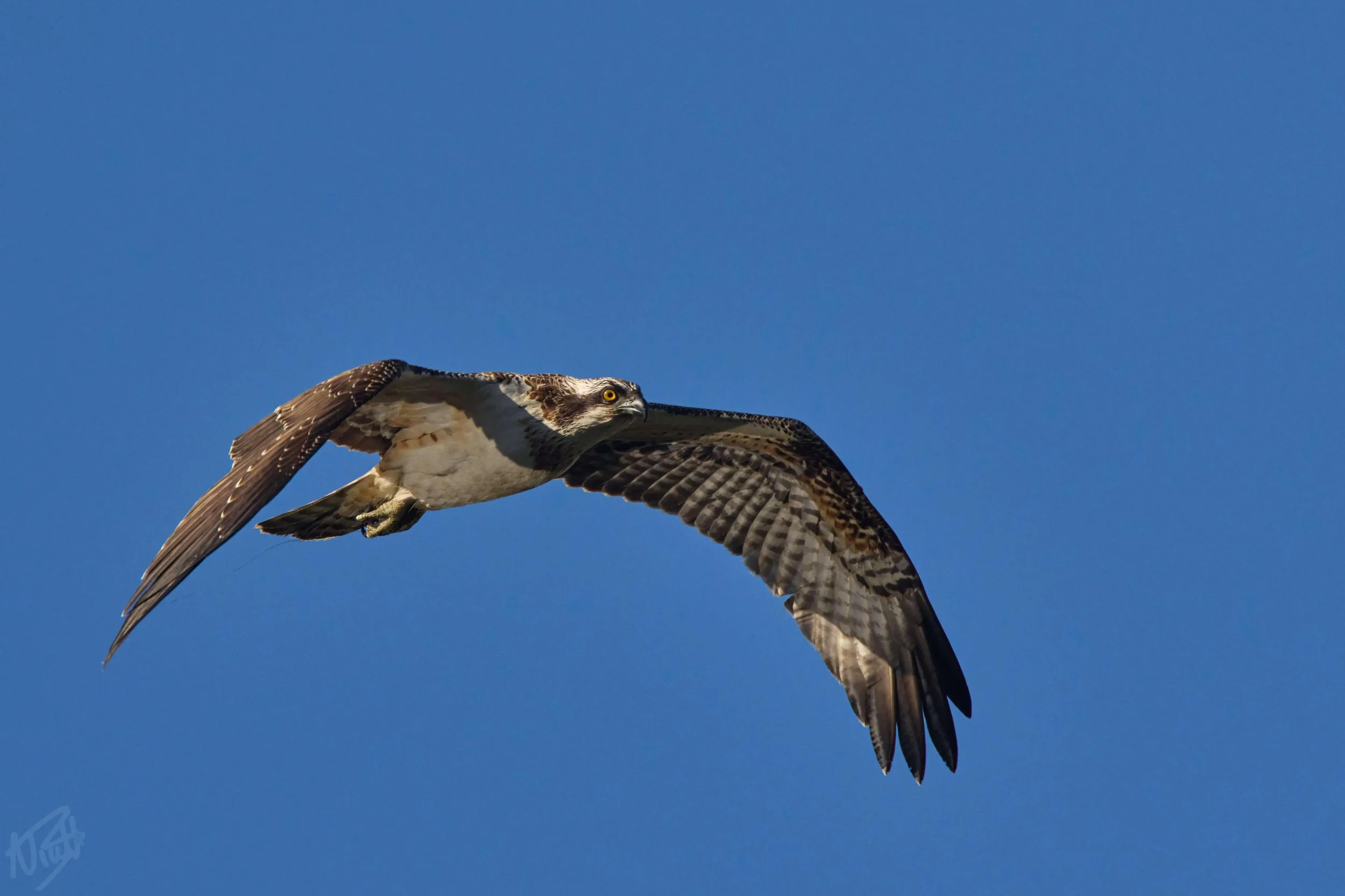
Scanning From Height
The osprey’s characteristic kinked wing profile, with the carpal joint pushed forward, is distinctive in flight. Ospreys patrol water at height, looking almost directly downward, and can detect fish just below the surface from considerable altitude before folding into a steep dive.
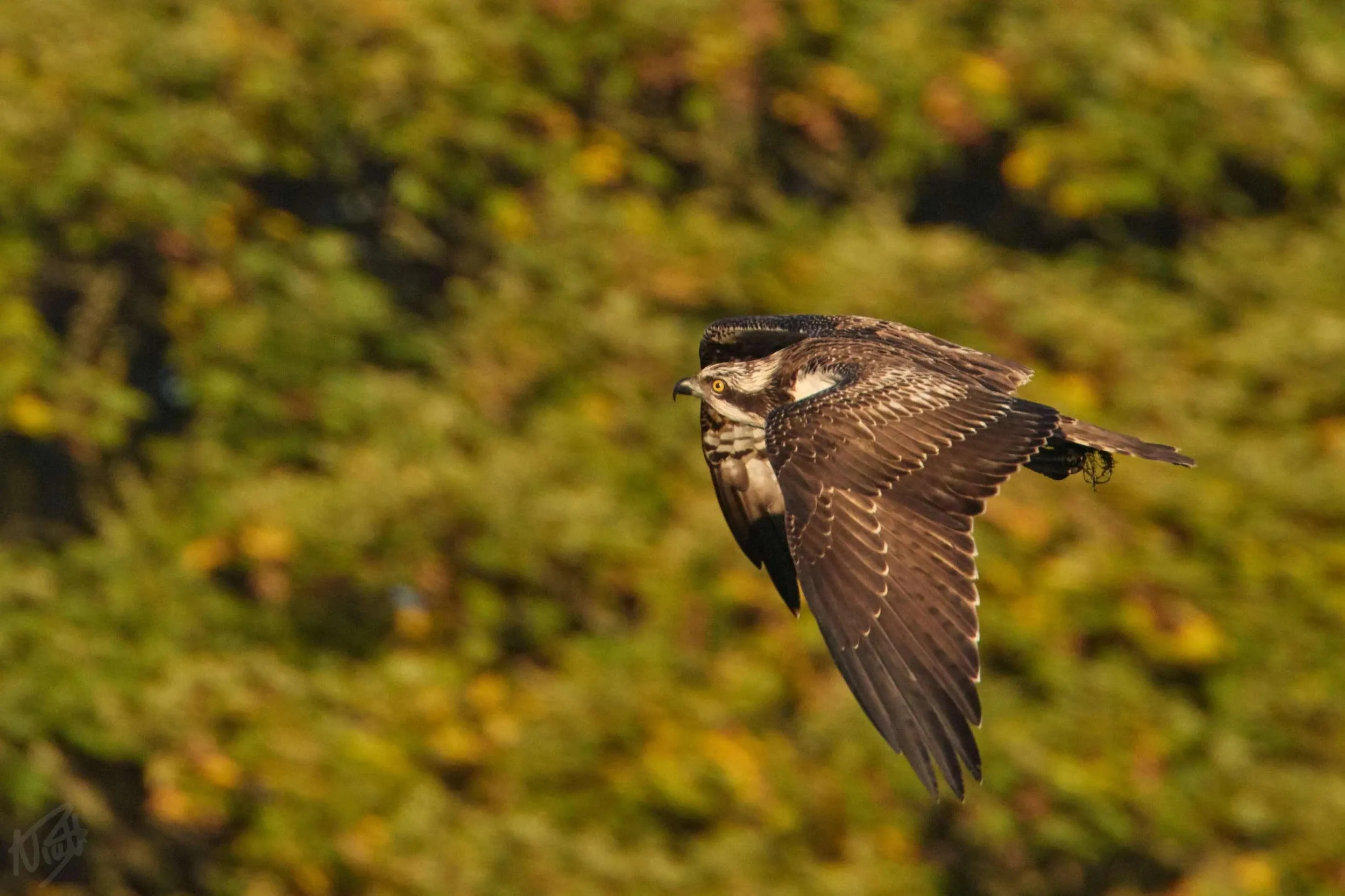
Osprey in Autumn Light
In Britain, ospreys arrive from West Africa in spring to breed and depart again in late summer. The Scottish Highlands hold the largest breeding population, though the range is expanding as the reintroduction programme continues and the population grows across England.
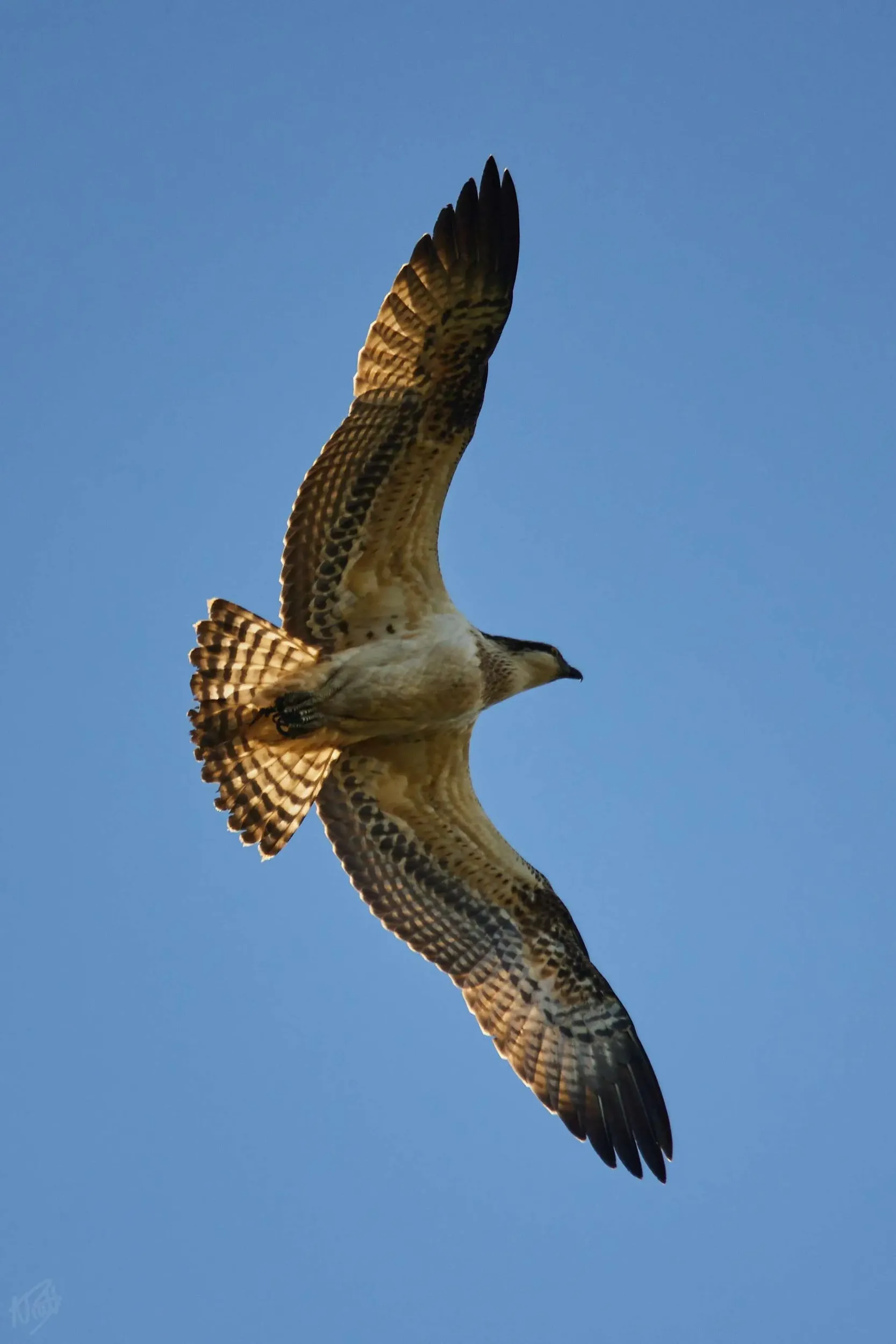
Osprey From Below
Seen from below, the osprey shows dark brown upperparts and largely white underparts, with a dark wrist patch and streaked breast band. The strongly kinked wings and relatively small head give it a characteristic outline that distinguishes it easily from other large raptors at a distance.
Drying the Wings
Ospreys will spread their wings after a wet dive to help dry their plumage. Unlike cormorants, which lack waterproofing entirely, the osprey’s feathers shed water reasonably well, but a deep plunge can leave the bird thoroughly soaked and temporarily heavier in flight.
Entry
After hovering and targeting, the osprey folds into a steep plunge, feet-first, sometimes from over thirty metres up. The impact can be violent enough to completely submerge the bird beneath the surface. The feet are thrown forward at the last moment to strike the fish from above.
Osprey Over Autumn Foliage
Ospreys have one of the widest distributions of any raptor, breeding on every continent except Antarctica. British breeding birds overwinter in West Africa. Young birds make their first migration without guidance from adults, navigating thousands of kilometres by instinct alone.