
Gallery
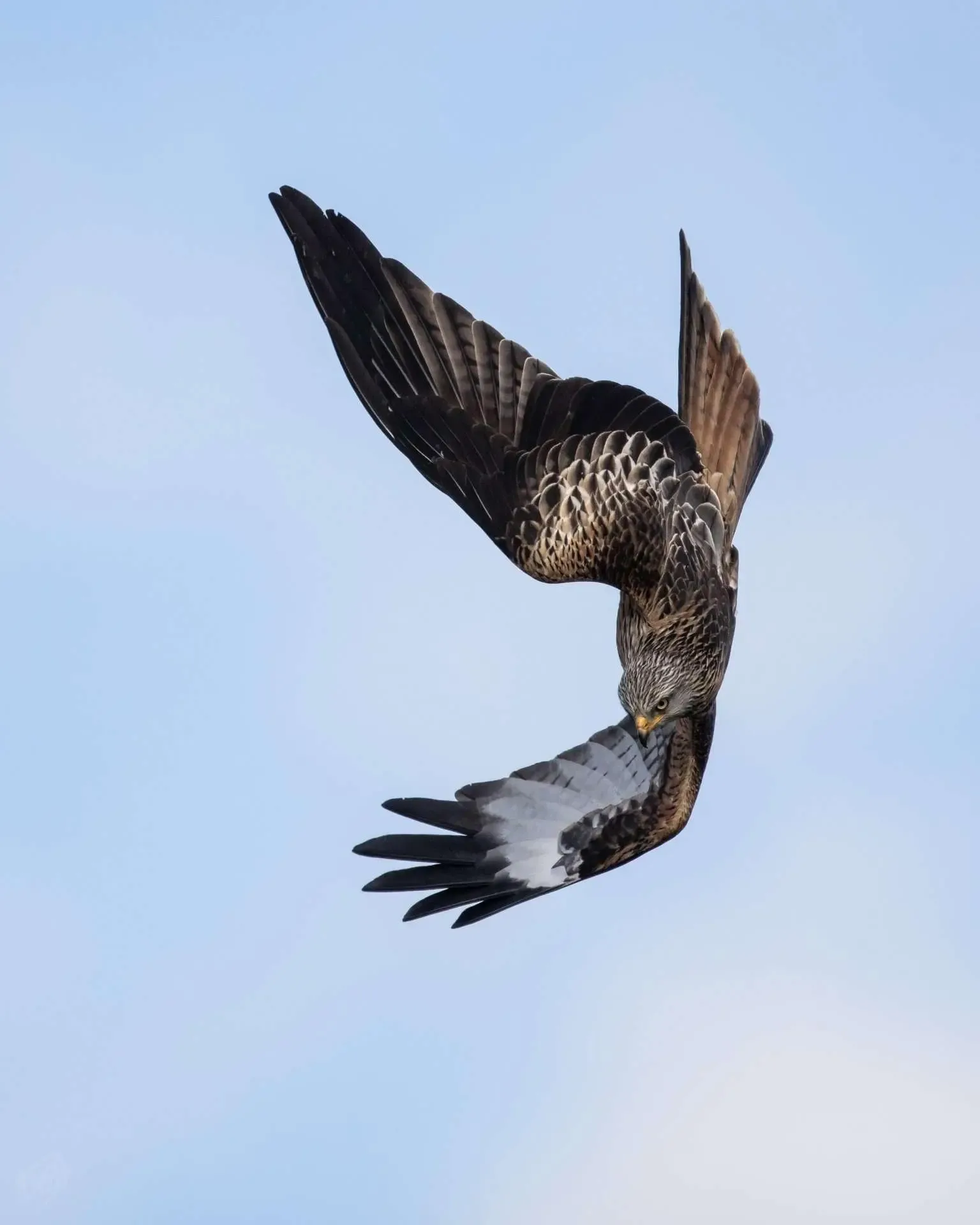
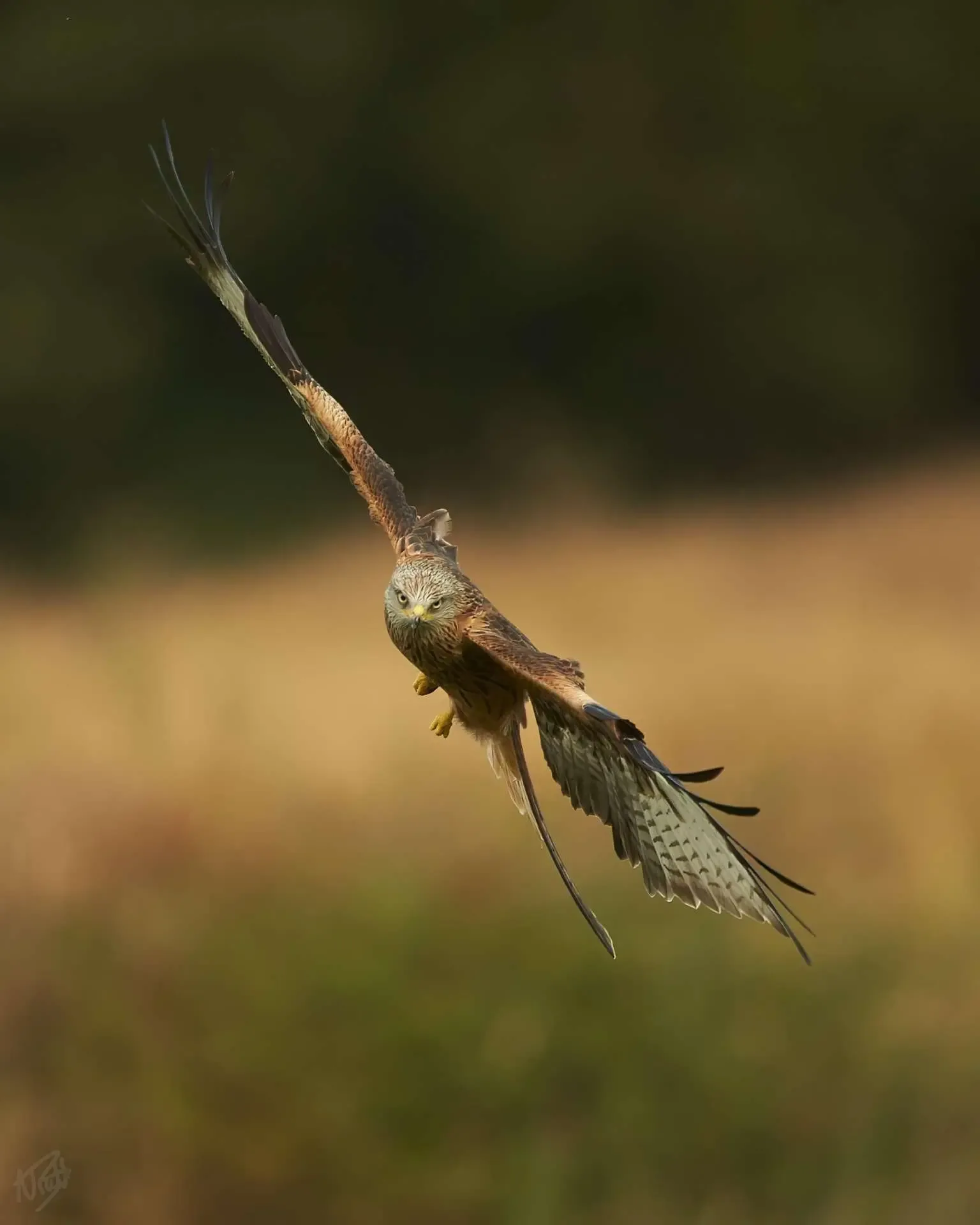
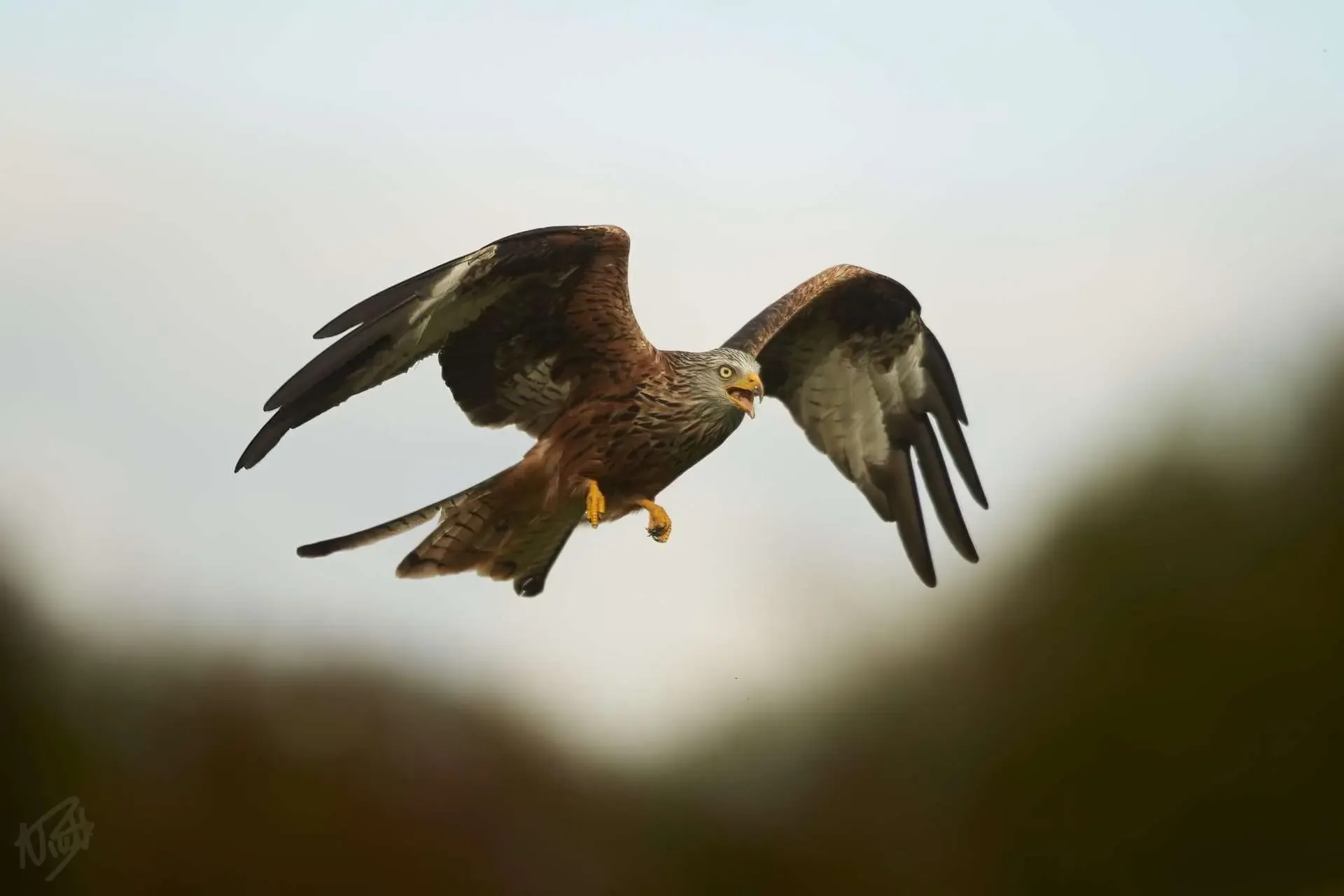
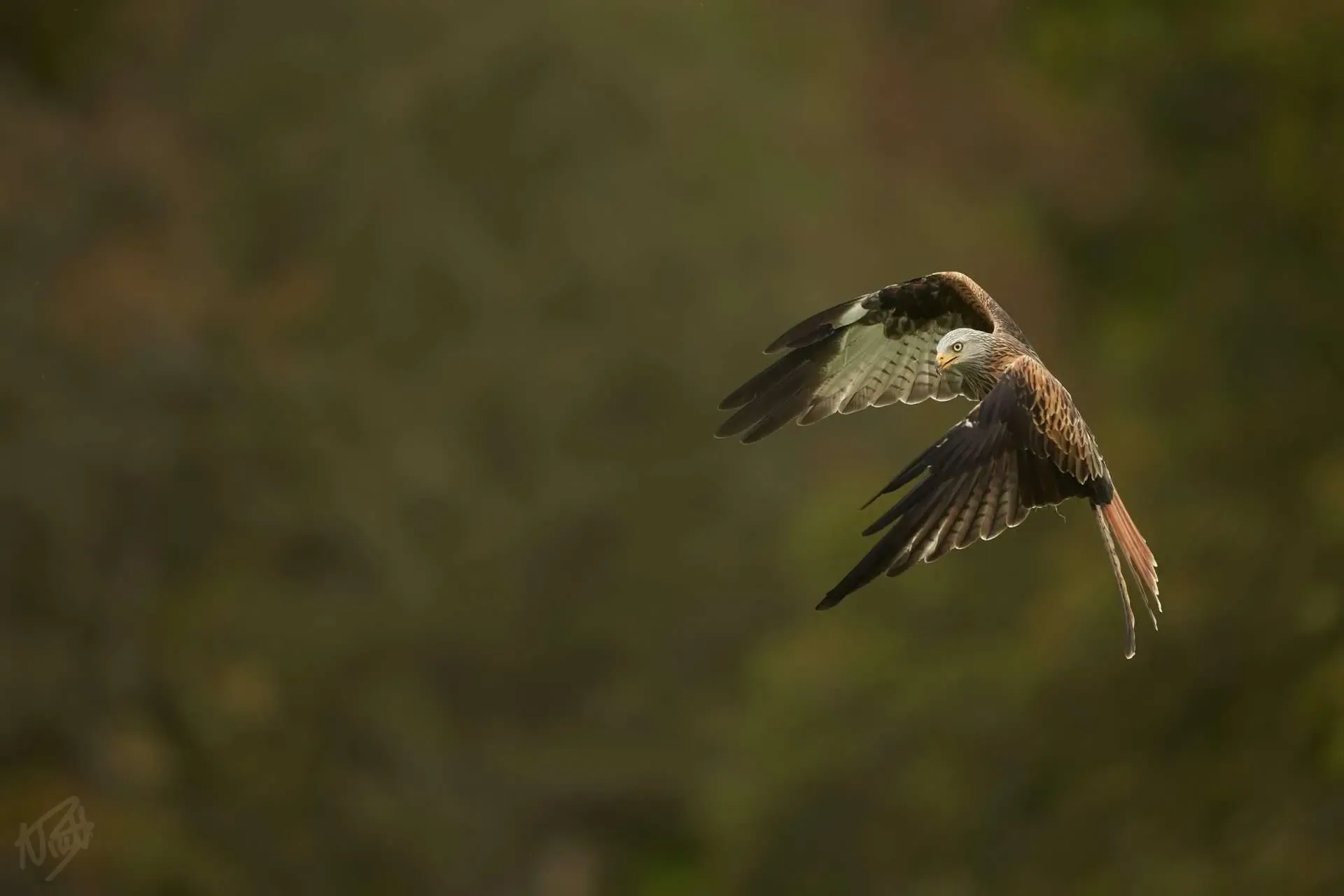
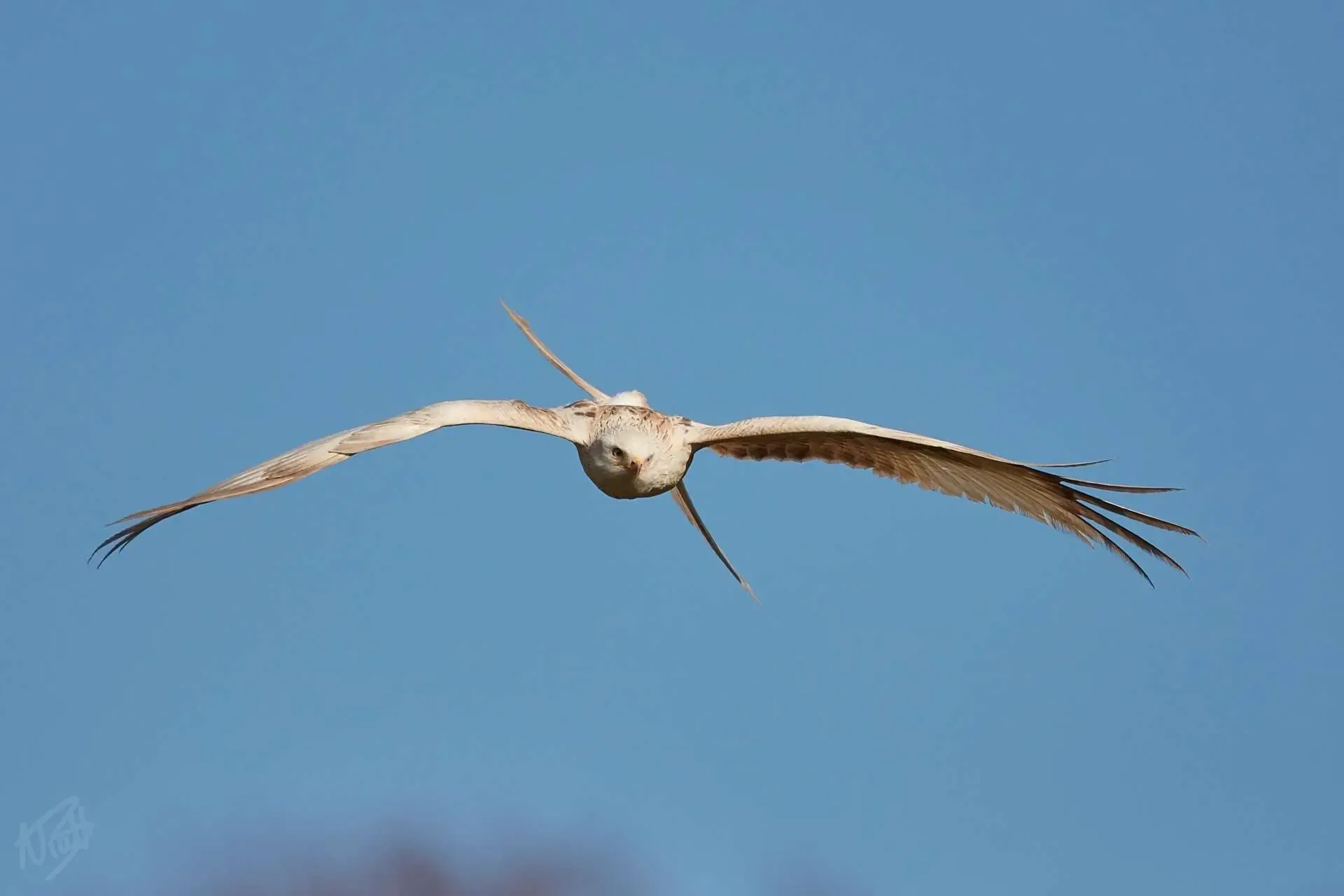
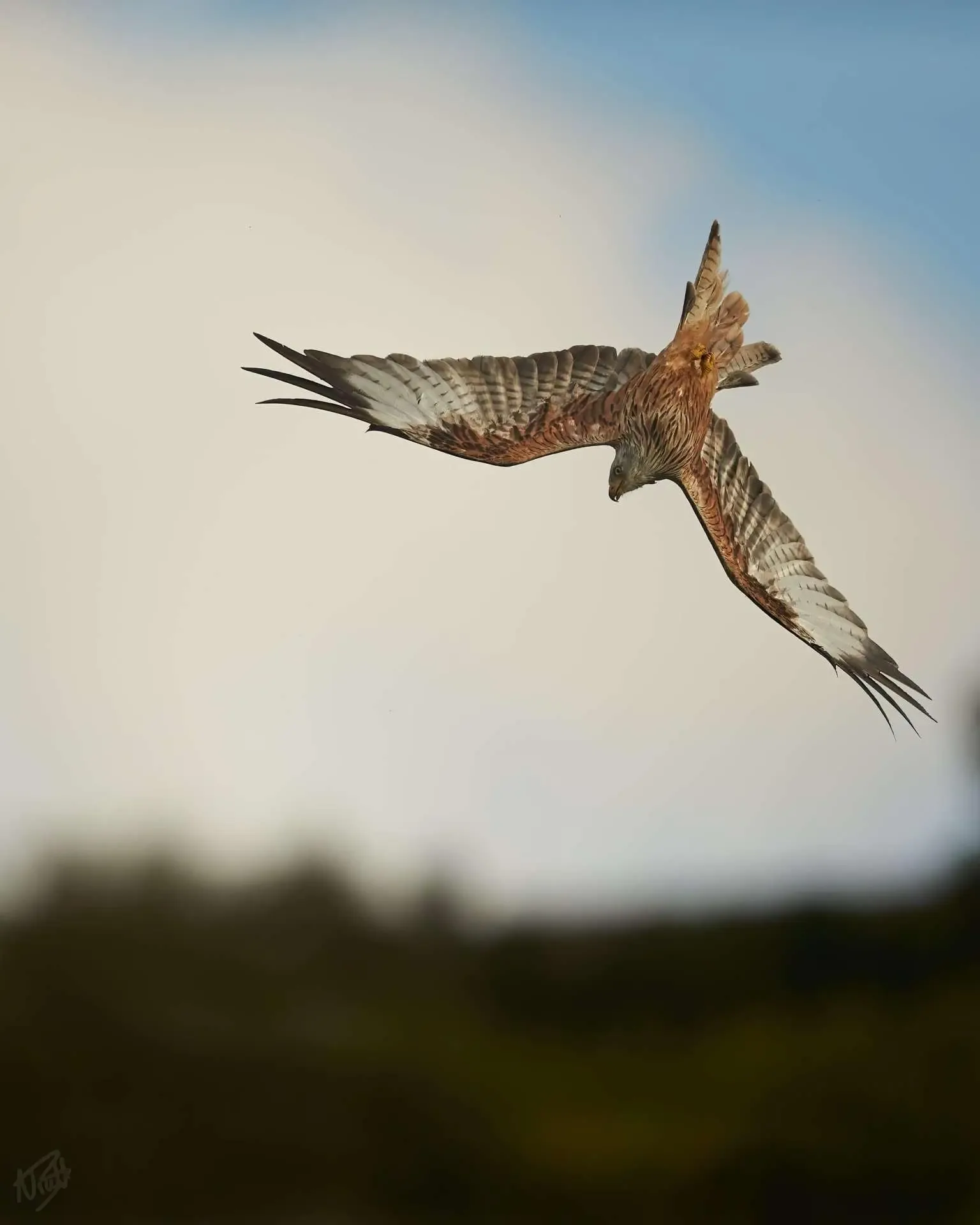
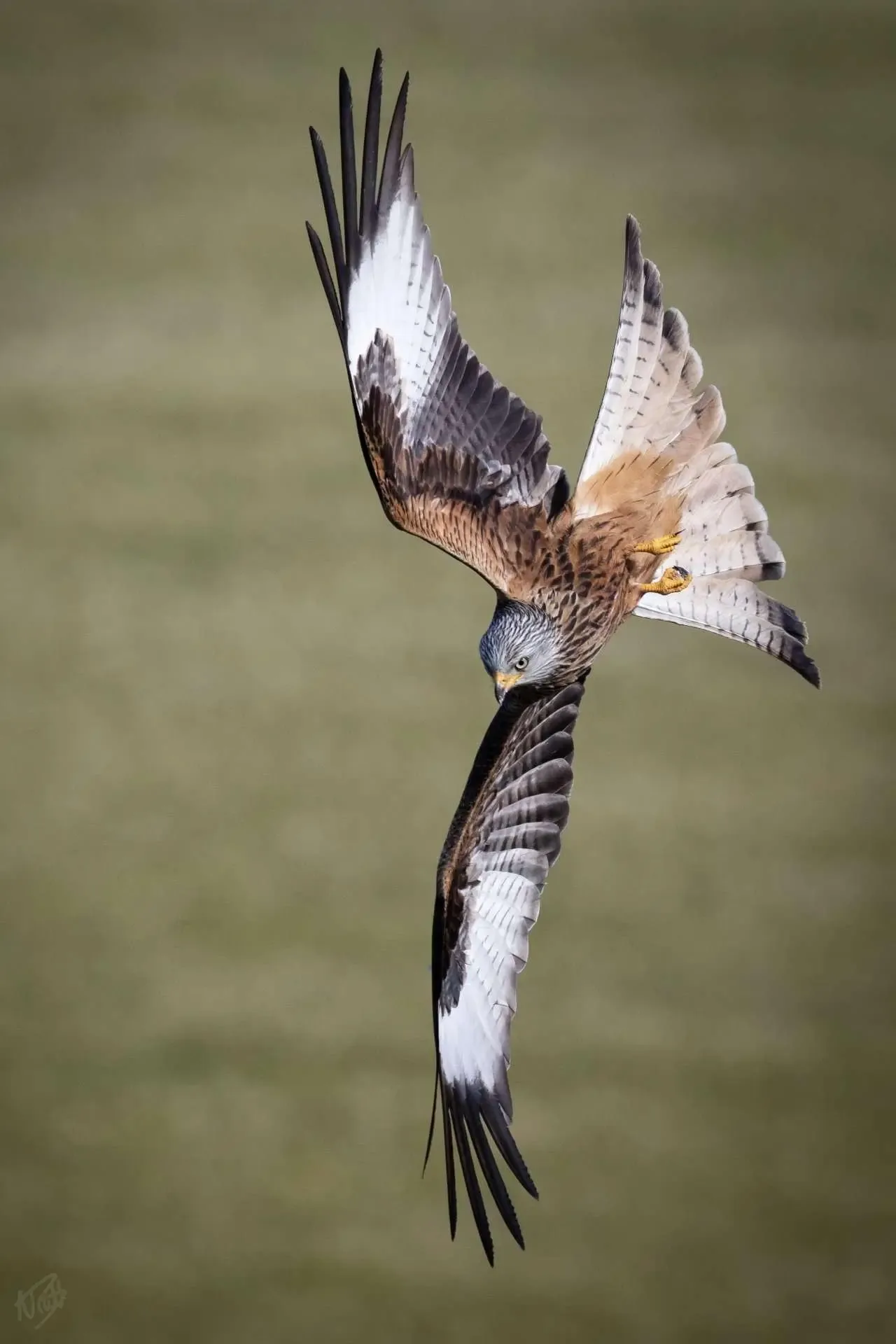
Red Kite Banking Hard
The red kite uses its deeply forked tail as a rudder, giving it exceptional manoeuvrability in flight. Once reduced to just a handful of breeding pairs in Wales, the species has been reintroduced across much of England and Scotland and is now a familiar sight in many parts of Britain.
Low Pass Over the Field
Red kites are primarily scavengers, feeding on carrion, earthworms, and small mammals. They often fly low over farmland and open ground searching for food. Despite a wingspan of up to 185 centimetres, they are remarkably light, weighing only around one kilogram.
Red Kite Head-On
The rufous-brown plumage, pale grey head, and yellow bill are clearly visible in this head-on view. Adults have pale, golden eyes that give them a sharp, alert expression. Britain’s population now numbers in the thousands following one of the longest-running raptor conservation programmes in the world.
The Forked Tail
The deeply forked tail is the red kite’s most distinctive feature and the easiest way to identify it in flight. It twists and flexes independently of the wings, acting as a rudder to make constant fine adjustments to the bird’s course. No other large raptor in Britain shares this characteristic tail shape.
Underside in Blue Sky
Seen from below, the red kite shows a pale, streaked underside with striking white crescents at the base of the primary feathers. The species spends a large part of its day on the wing, riding thermals and scanning wide areas of ground, covering many kilometres without effort.
Banking Over the Treeline
Red kites are efficient fliers, exploiting thermals and updrafts to cover large distances with minimal energy. Their rufous-red colouring intensifies in direct sunlight, making them unmistakable overhead. They are long-lived birds, with some individuals reaching 25 years or more in the wild.
Red Kite Diving
Despite their large size, red kites are capable of rapid, precise manoeuvres. The white crescents on the wing undersides flash prominently during banking turns. The species is largely a scavenger but will take live prey when available, including small mammals, birds, and large invertebrates.
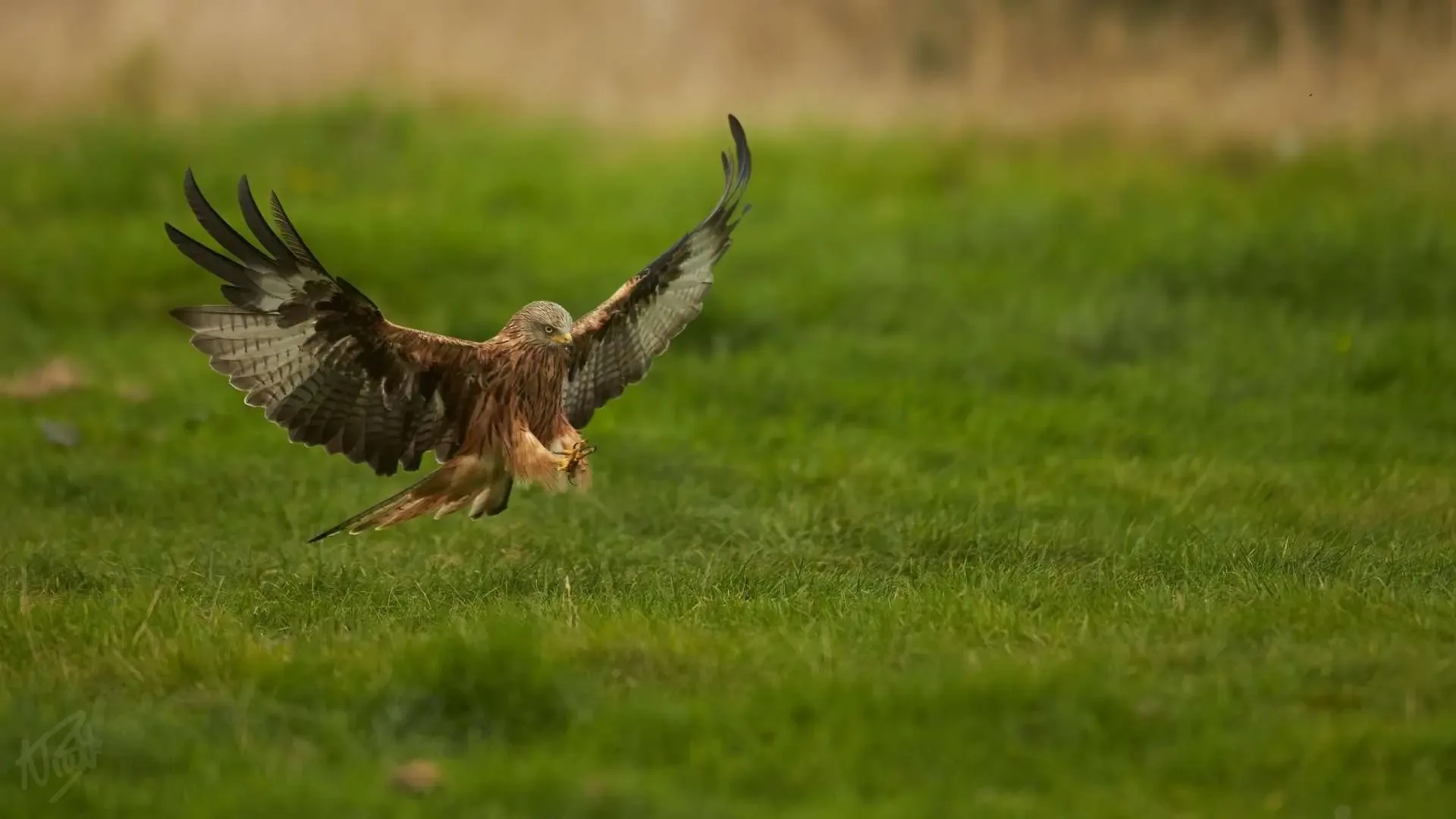
Coming in to Land
Red kites occasionally descend to the ground to pick up food, though they are far more at home in the air. Their long wings can make landing in confined spaces awkward. They are opportunistic feeders and will take a wide range of items, from carrion to earthworms surfaced by rain.