
Gallery
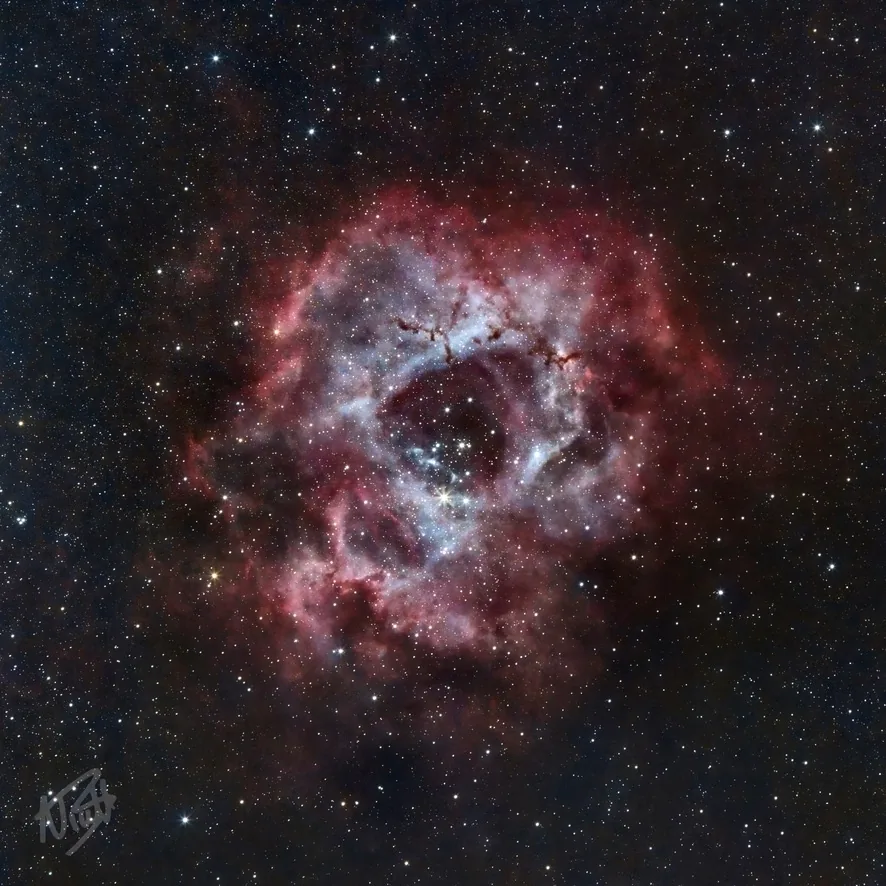
Rosette Nebula
Also known as Caldwell 49, the Rosette Nebula sits 3,900 LY from Earth. It is classified as a HII which means that the nebulosity comes from a the cloud of ionised molecular hydrogen, usually as a result of a large star, or cluster of stars, nearby.
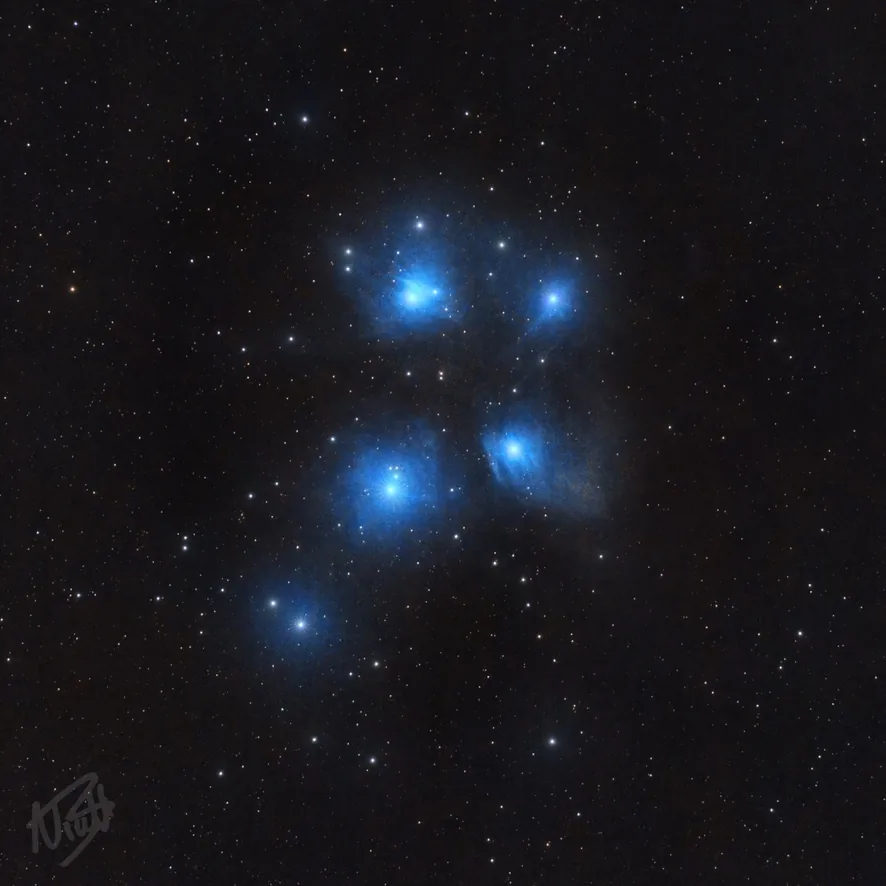
The Pleiades
Also know as the Seven Sisters, or Messier 45, this open star cluster sits just 444 LY from Earth. The cluster is dominated by the young, hot, blue stars which have formed in the last 100 million years. The intense blue light from the stars reflects off of dust, illuminating it for us to see.
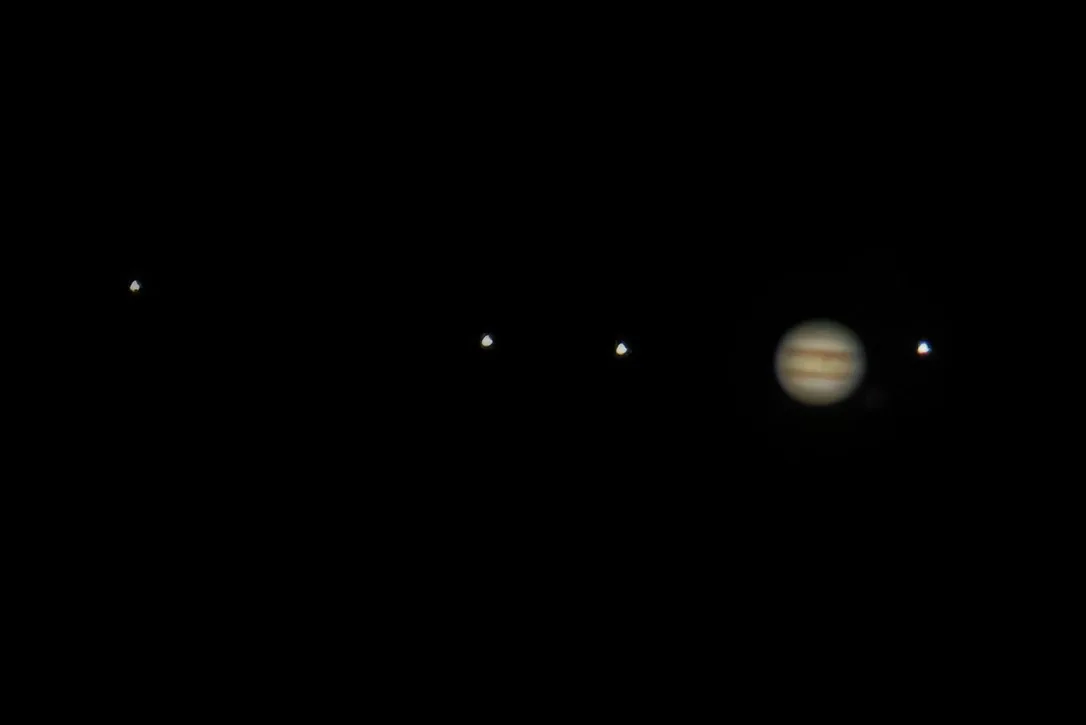
Jupiter & her Moons
This photograph shows Jupiter with four of her moons clearly visible. The moons can appear out of order depending on when the photograph is taken. My best guess, left to right, is Callisto, Ganymede, Europa, and Io.
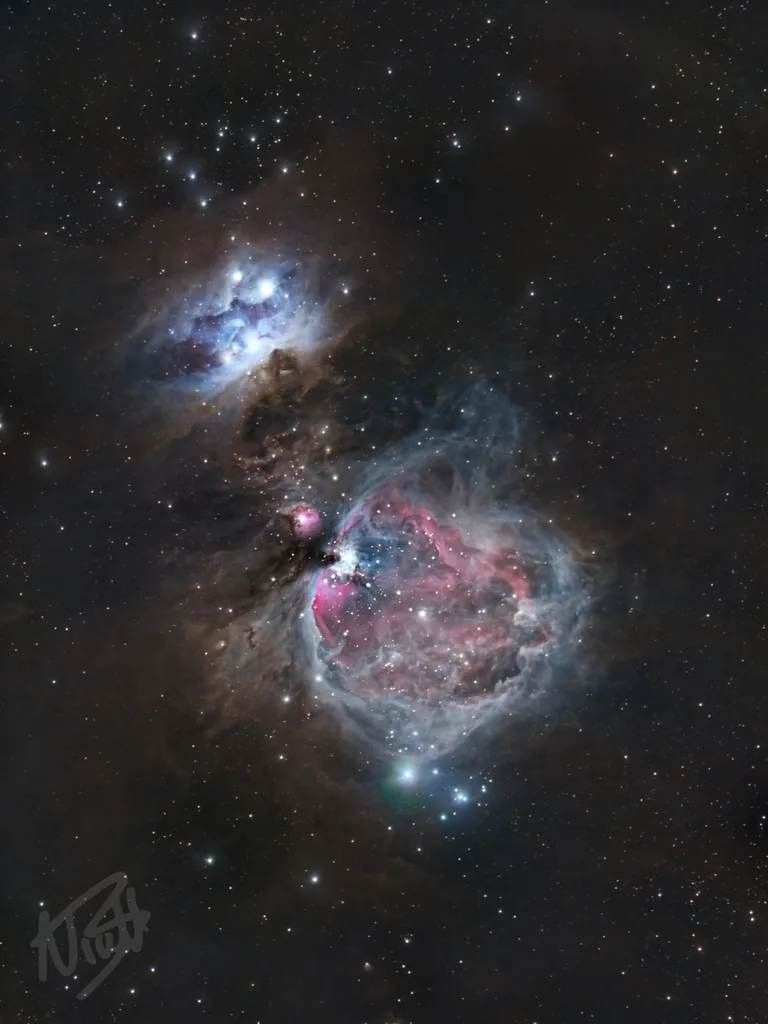
Orion Nebula
Also known as Messier 43, the Orion Nebula is considered a ‘naked eye’ nebula because it is visible without any optics, albeit faintly when in very dark skies. This nebula is one of the closest (1,265 LY) star forming region to Earth and is actively birthing new stars!
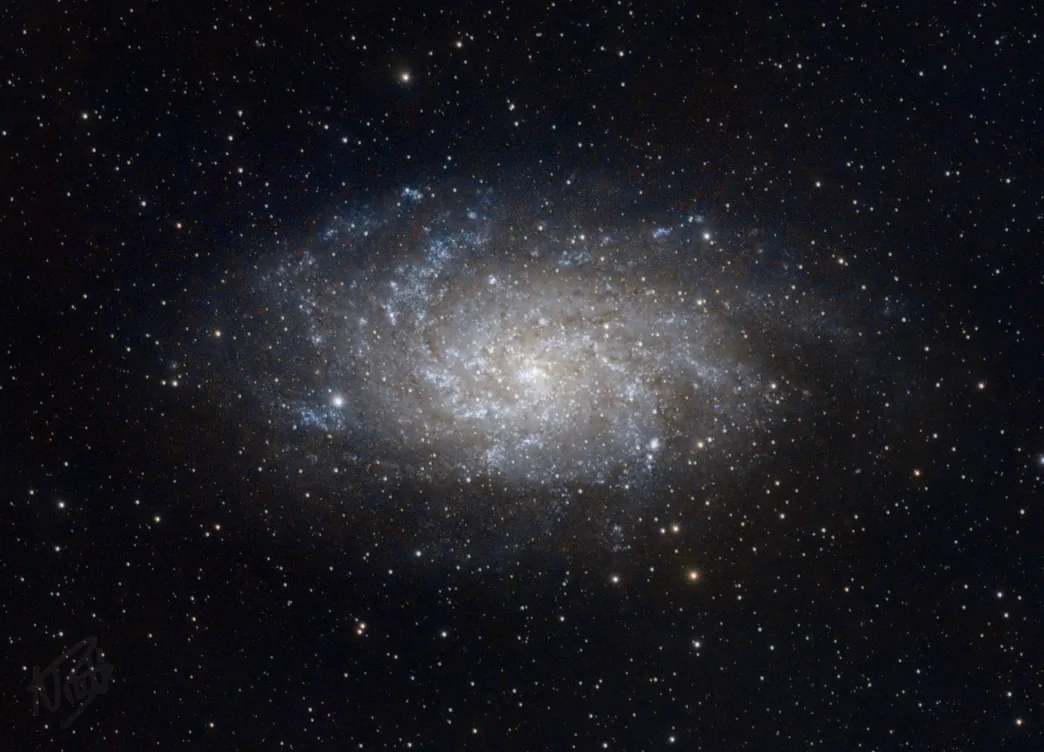
Traiangulum Galaxy
Messier 33 is a spiral galaxy which sits some 2.73 million light-years away from Earth. To put that into perfective, the light captured here left the galaxy when the woolly mammoth was wandering the glaciers of North America!
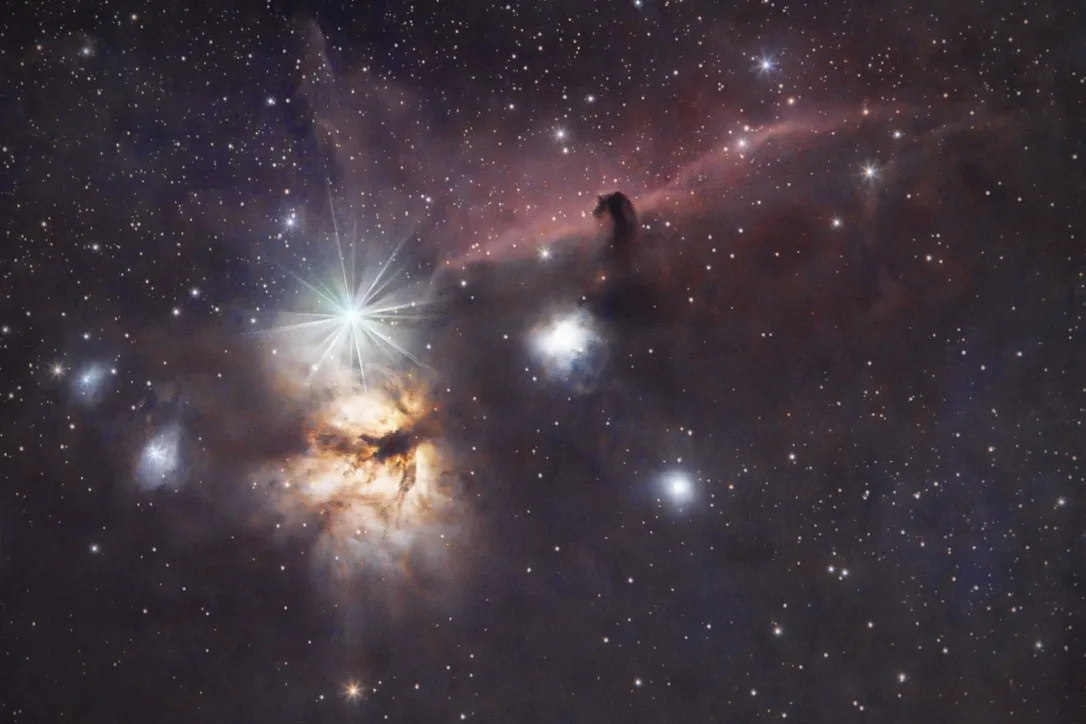
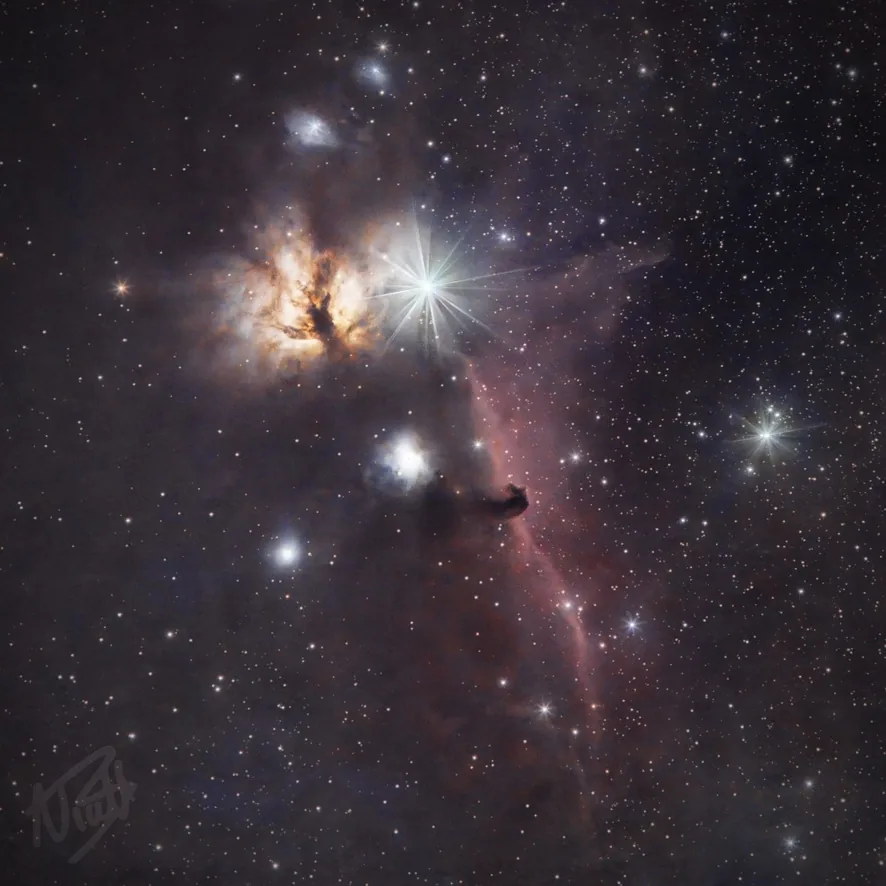
Cosmic Landscape
This photograph shows several features of an active star forming region, not far from the Orion Nebula. The famous Horse Head Nebula sits on the right, with the Flame Nebula in the centre, illuminated by the easternmost star of Orion’s Belt, Alnitak.
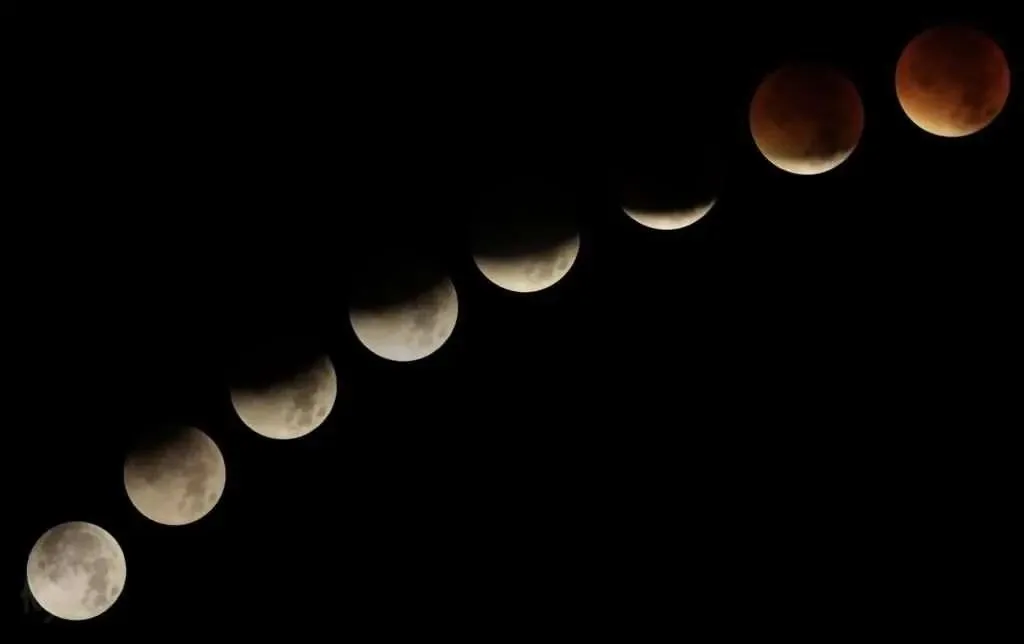
Lunar Eclipse
I created this composite photograph of the Total Lunar Eclipse on 28th September 2015. Over the course of a few hours I photographed the moon as the Earth’s shadow passed over it’s disk, until it completely eclipsed it. This left the moon with an eerie red glow.
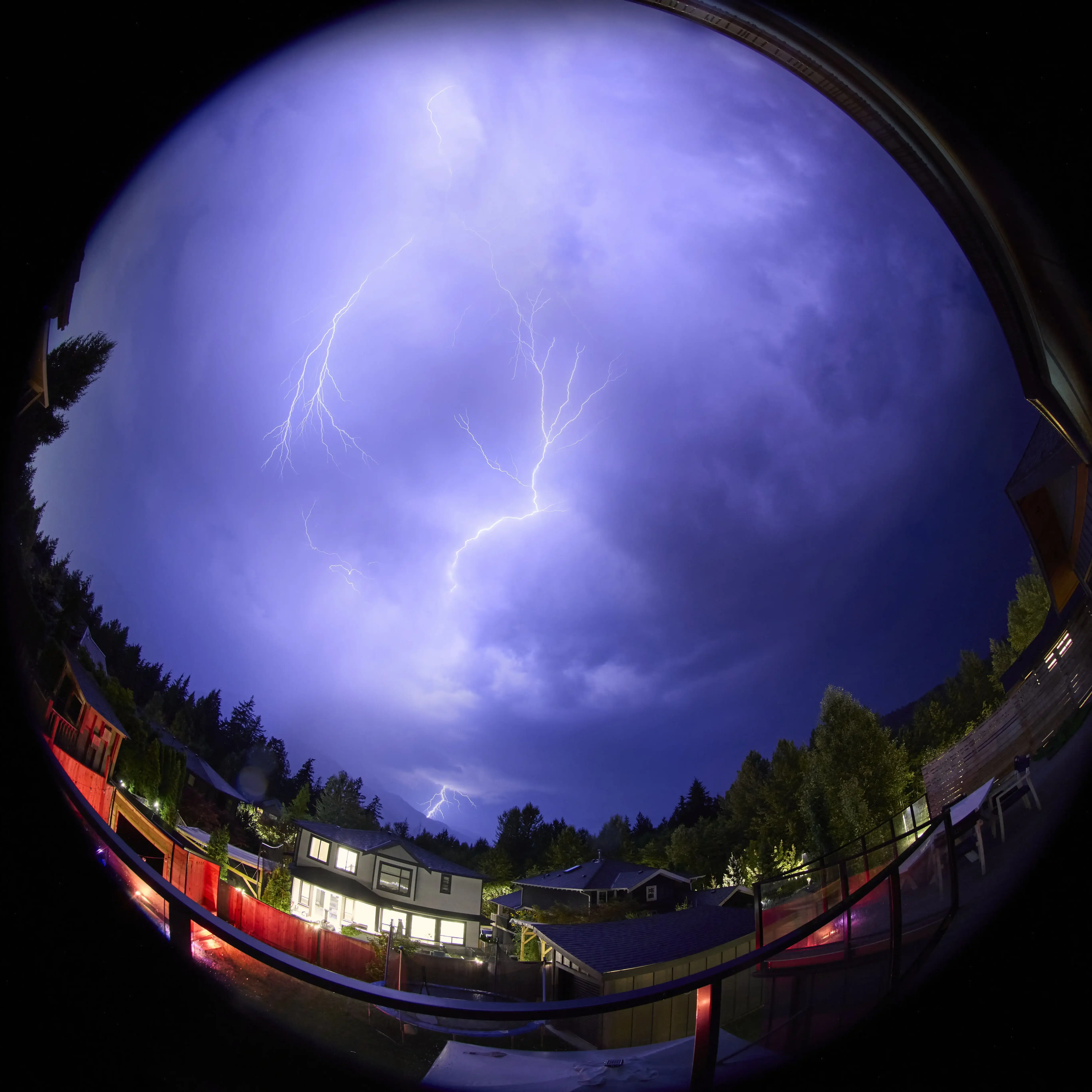
Angry Skies Over Squamish
While this photograph does stretch the definition of Astrophotography I believe it captures some of the same essence as traditional ‘space’ photographs. In this composite, three lightening bolts assert their dominance over the sky!