
Gallery
Dawn Track, Central India
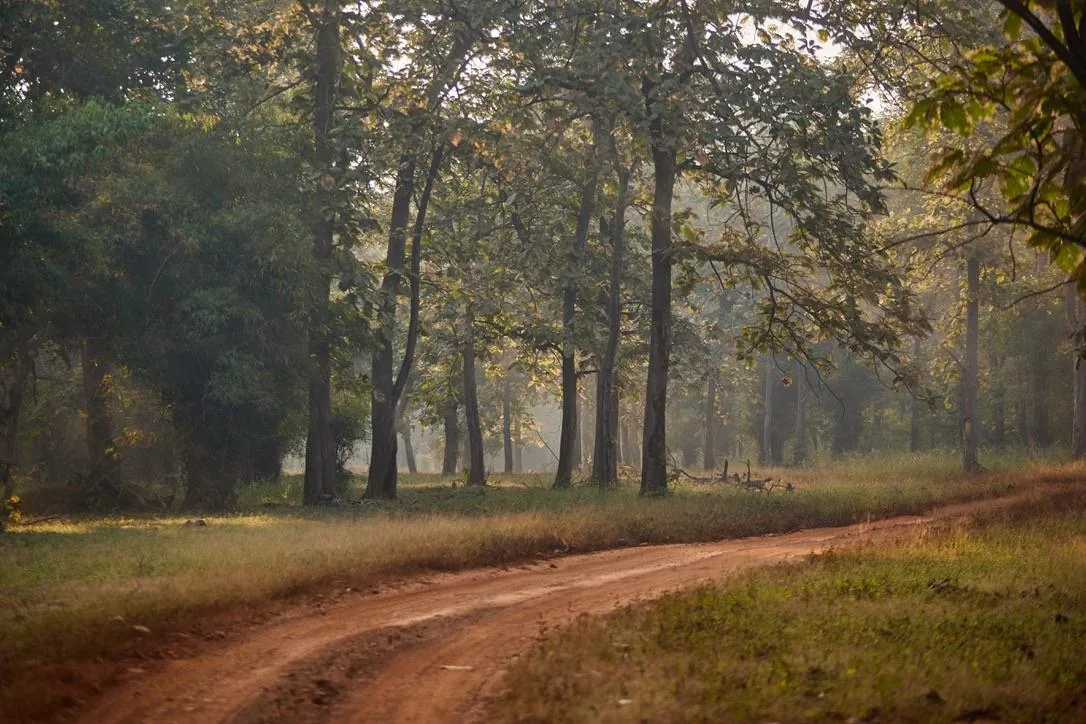
A red laterite track winds through a dry deciduous forest at dawn, morning mist softening the light between the trunks. Forests of this type in central India, dominated by sal (Shorea robusta) and teak, form the core habitat of the Bengal tiger and support some of the subcontinent’s highest densities of large mammals.
Caledonian Pinewood
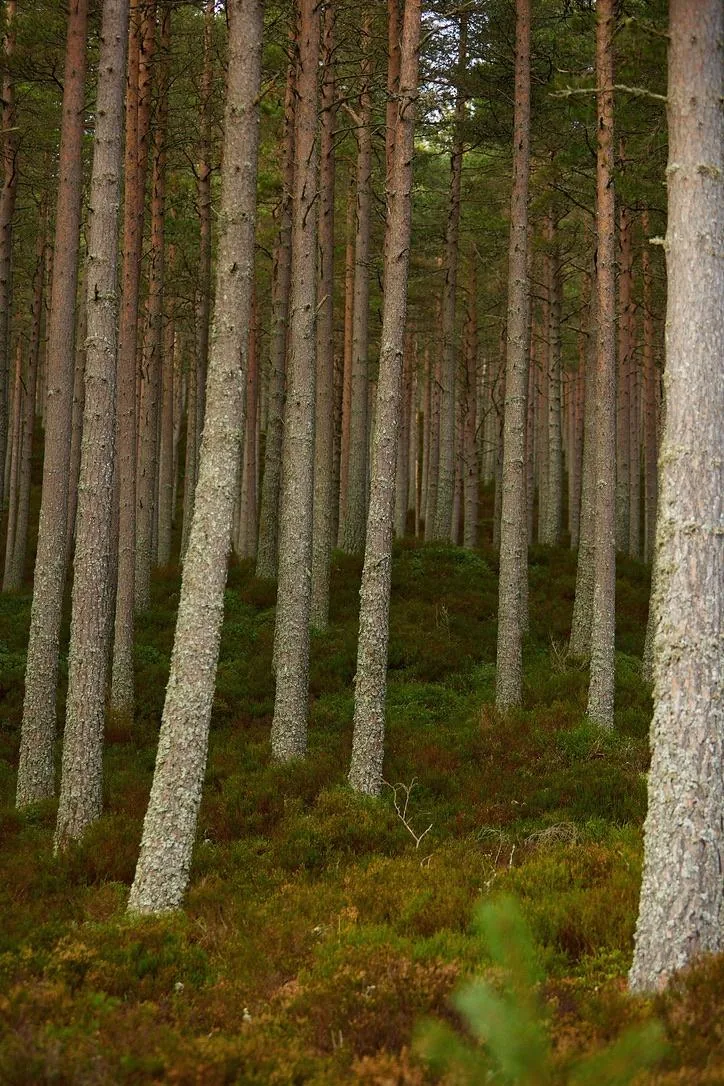
Scots pine trunks rise from a carpet of heather and bilberry in the Cairngorms, their bark patterned with grey and amber lichens. The Caledonian pinewoods represent one of Britain’s most biodiverse habitats, supporting species found nowhere else in the UK including the Scottish crossbill, capercaillie and crested tit.
Loch Shore Road
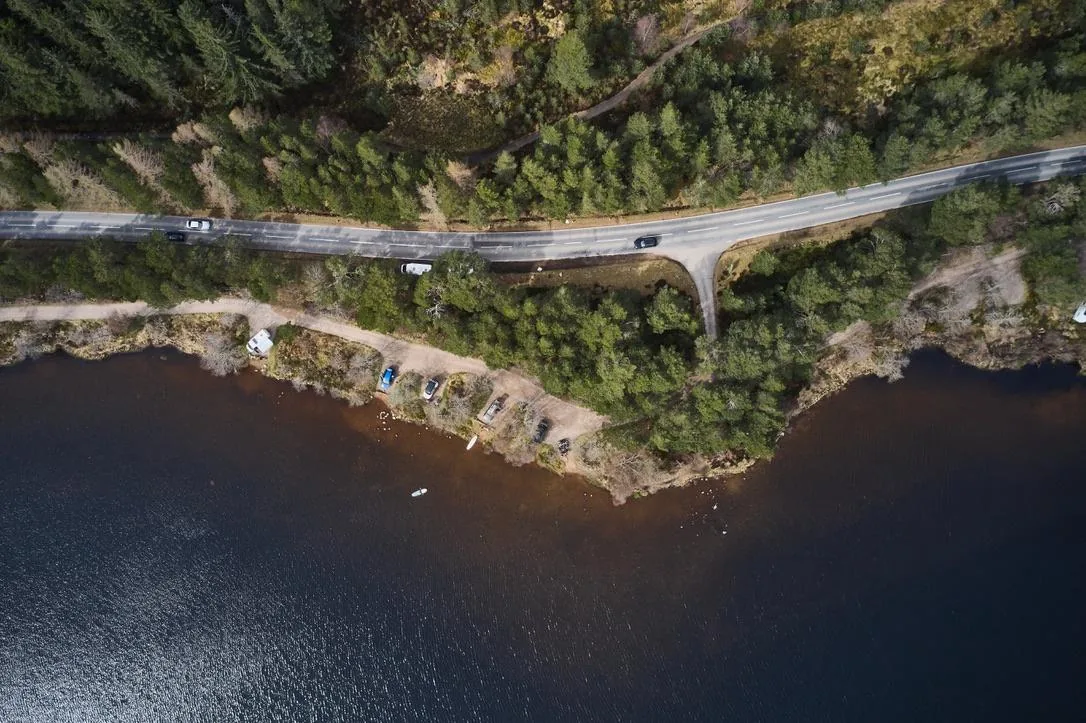
A single-track Highland road runs along the edge of a dark loch, conifer forest rising steeply above on the landward side. A few vehicles are parked at a small layby where the bank flattens. Such roads are a defining feature of the Scottish Highlands, following valley floors and loch shores carved out by glaciers.
Iceland from the Air
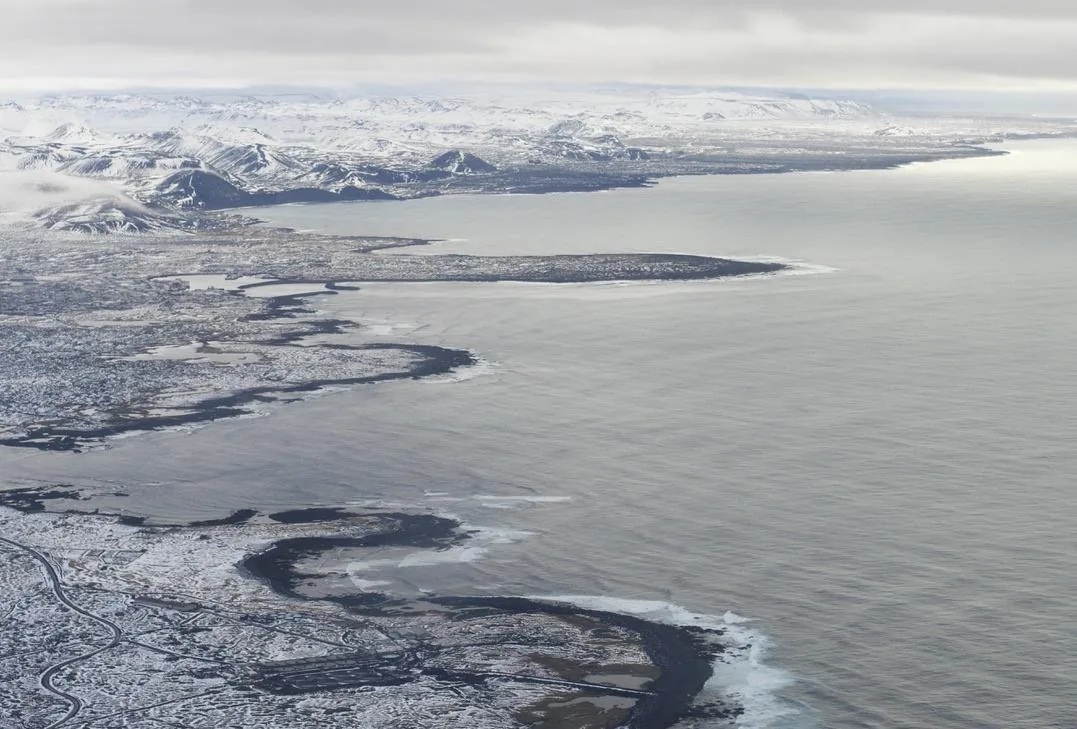
The Reykjanes Peninsula stretches into the North Atlantic, its volcanic lava fields dusted with snow and fringed by a jagged coastline. This landscape sits on the Mid-Atlantic Ridge, where the Eurasian and North American tectonic plates diverge at roughly 2.5 centimetres per year, making Iceland one of the most geologically active places on Earth.
West Highland Sea Loch
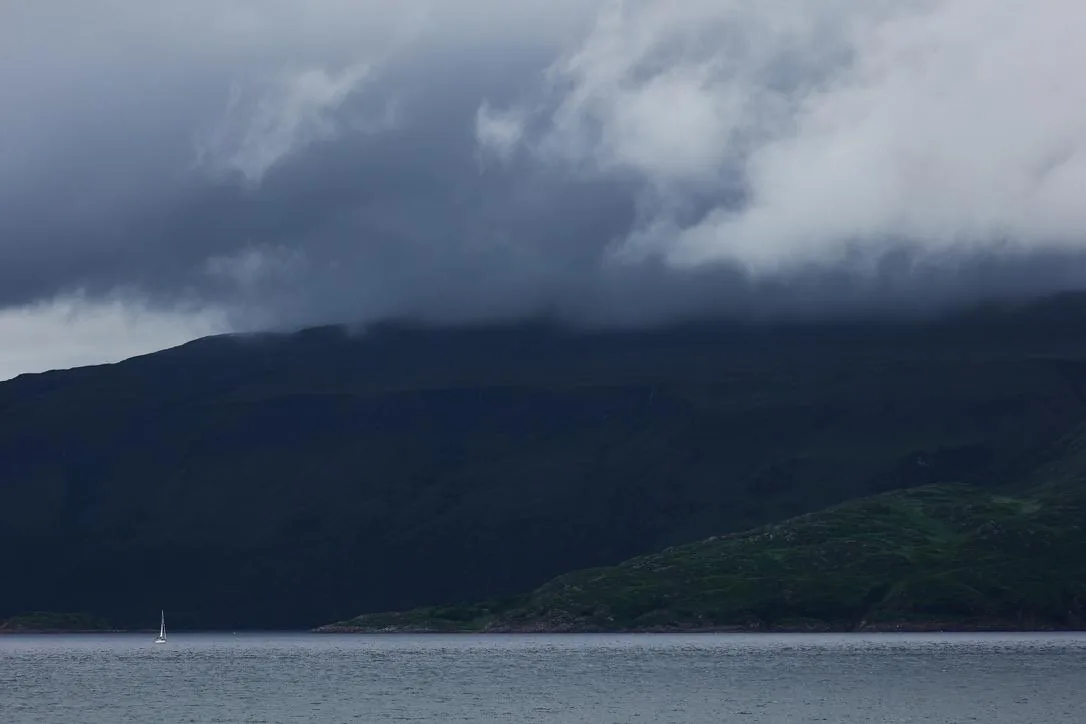
A small sailing boat sits alone on the glassy surface of a west Highland sea loch, steep hillsides disappearing into low cloud. Sea lochs were carved by glaciers that eroded below sea level and subsequently flooded as the ice retreated. They are highly productive marine environments, rich in fish, seals and invertebrate life.
Highland Loch with Island
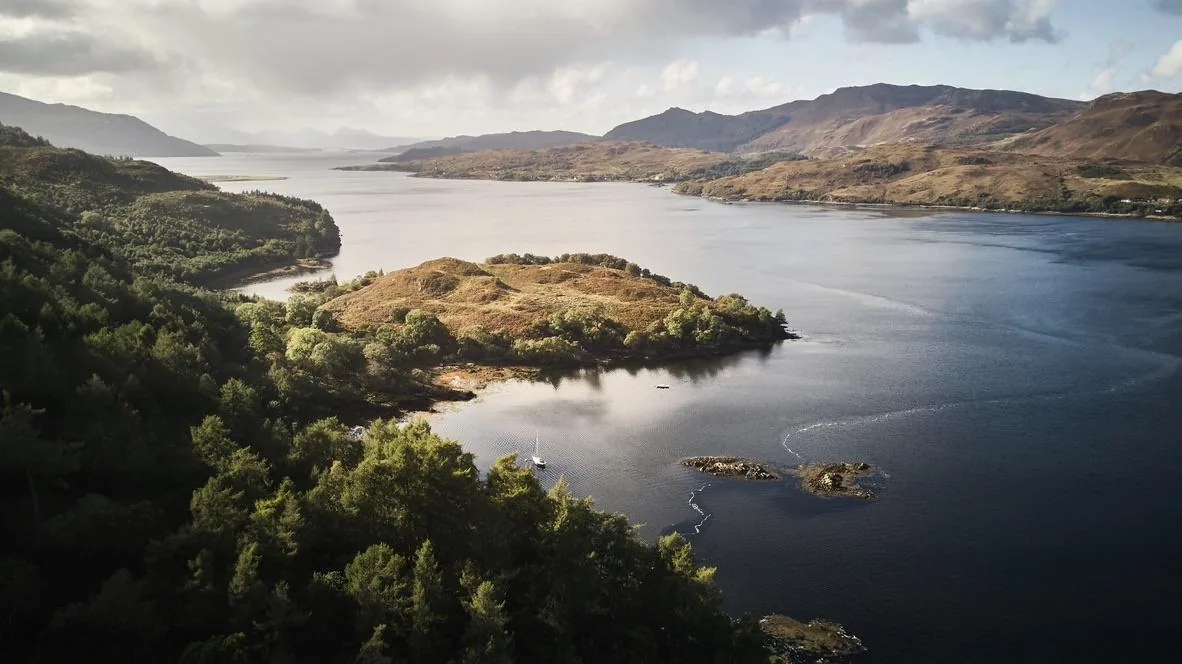
A wooded island sits in a west Highland loch, a small boat anchored in the sheltered bay at its shore. Mountains recede into the haze on both sides. The ancient oak and birch woodland on islands like this persists partly because it is protected from deer grazing, which suppresses regeneration across the surrounding mainland.
Forest Floor, Cairngorms
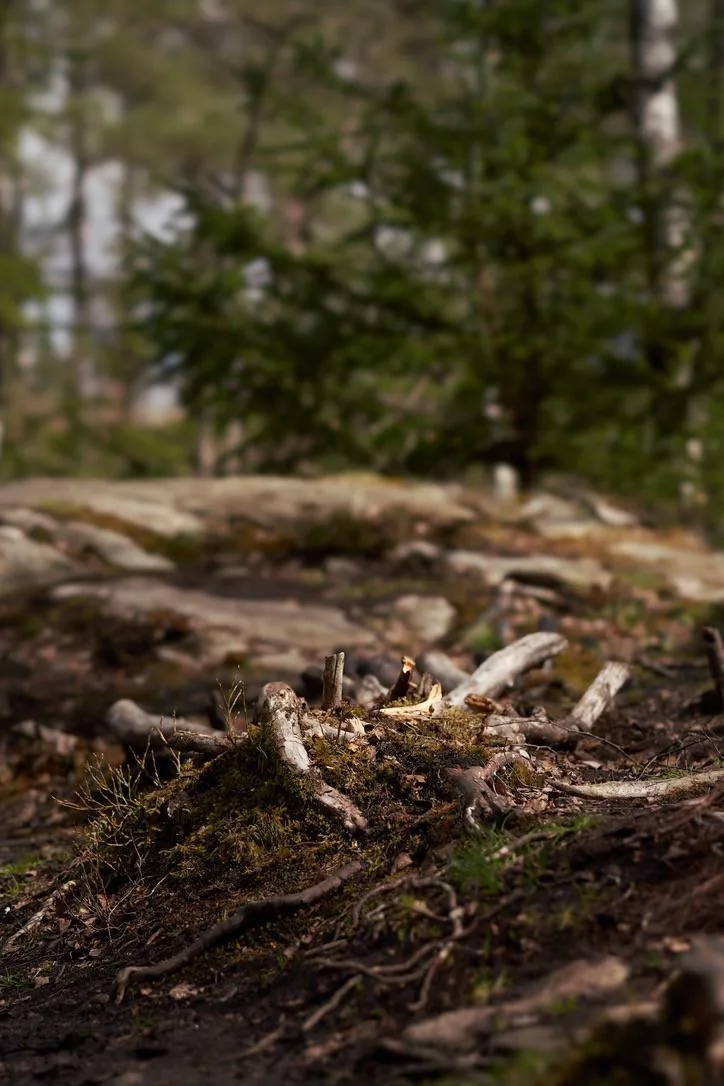
Exposed tree roots, cushions of moss and fragments of fallen deadwood cover the floor of a native Cairngorms pinewood. The surface root network stabilises the thin acid soil over granite bedrock. Deadwood in all stages of decay is a critical resource for invertebrates, fungi and cavity-nesting birds in these ancient forests.
Forest Path
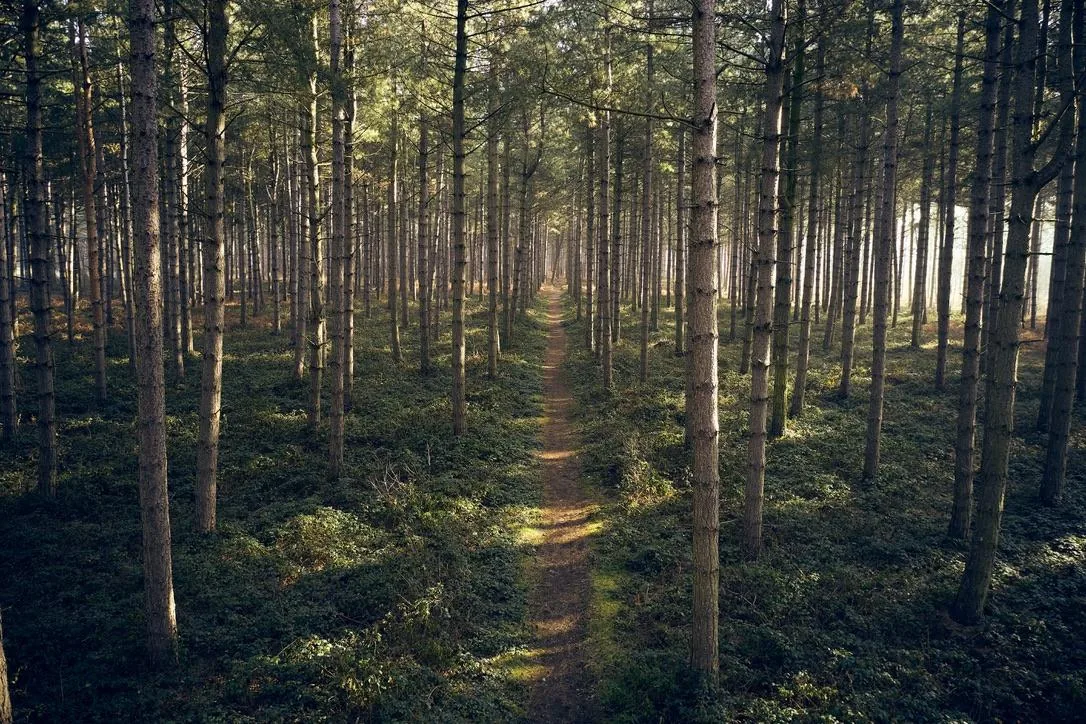
A narrow path runs straight through a pine plantation, parallel rows of trunks converging toward a bright gap at the far end. Low-angle evening light reaches the forest floor, catching the bilberry and heather understorey. Dense plantations of this type allow little light to reach the ground, limiting the diversity of ground flora beneath.
Forest Track, Central India
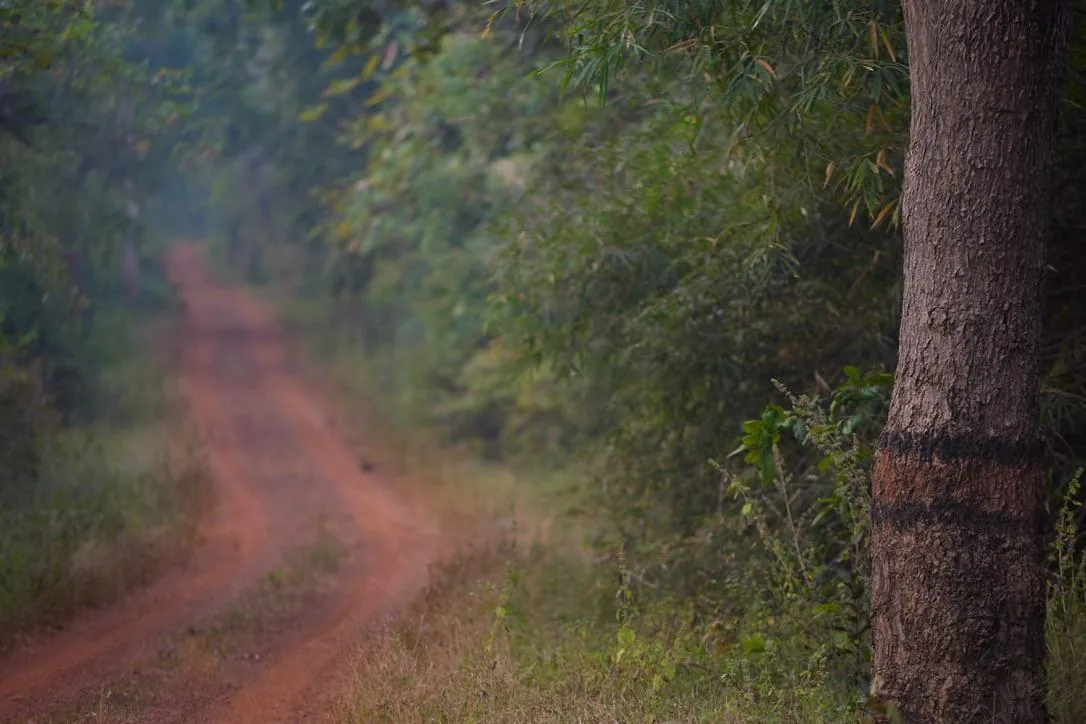
A misty red track disappears into the understorey of a central Indian forest, bamboo thickets pressing in from both sides. The haze is typical of the dry season at dawn in these reserves. Bamboo forms a major part of the sloth bear’s diet and provides dense cover used by tigers to approach prey unseen.
Winter Woodland
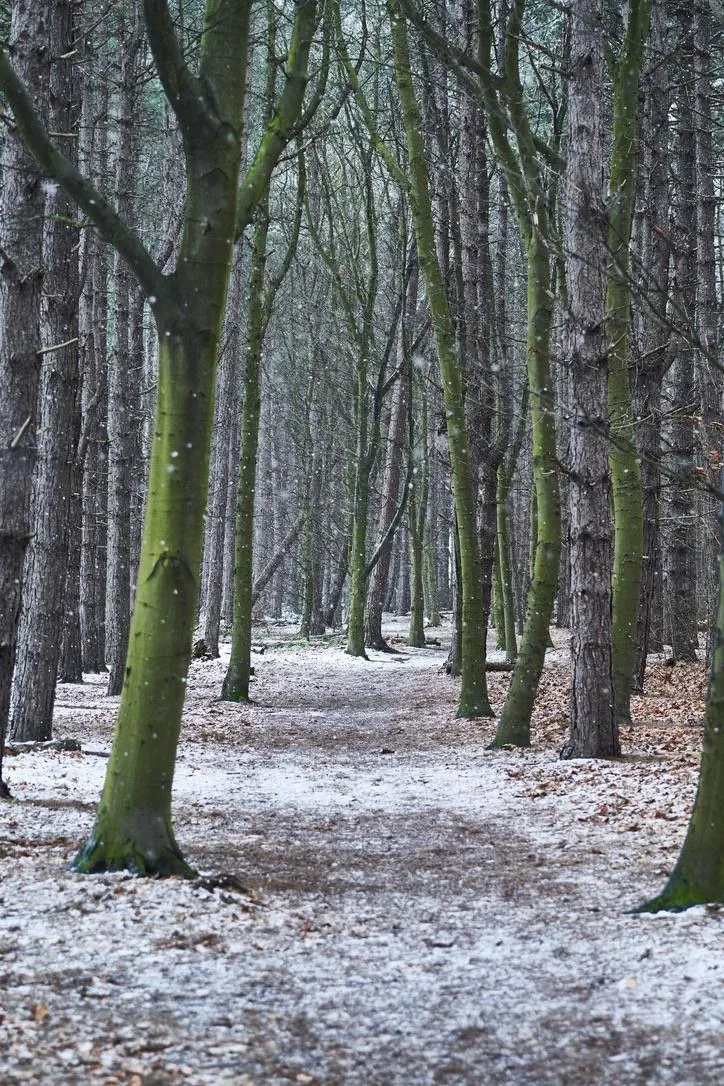
A dusting of snow lies between the moss-covered trunks of a mixed deciduous woodland, fallen beech leaves preserved beneath. Bare canopy lets winter light reach the ground, making this season productive for ground-foraging birds such as woodcock and redwing, which feed on invertebrates in the leaf litter through the coldest months.
Loch Eilt
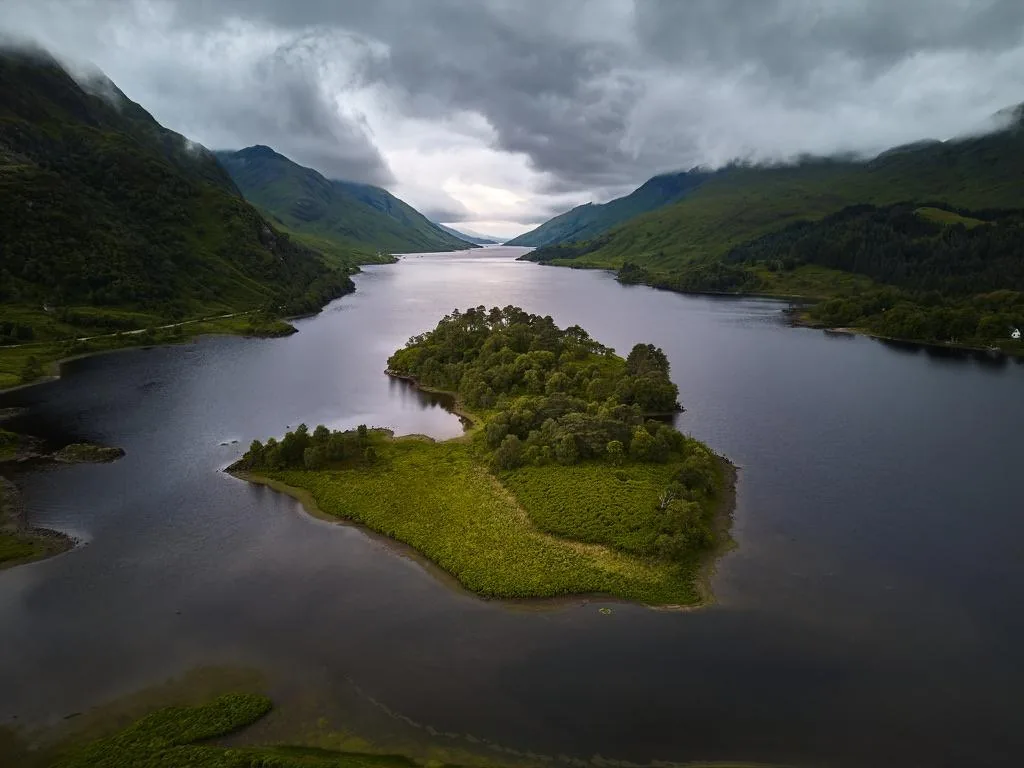
An aerial view of a deeply glaciated Highland valley reveals a wooded island sitting in the middle of the loch, mountains rising steeply on both sides. The U-shaped valley profile is a signature of glacial erosion, where ice sheets widened and deepened the original river valley over successive glacial advances during the Pleistocene.
Lone Pine, Loch an Eilein
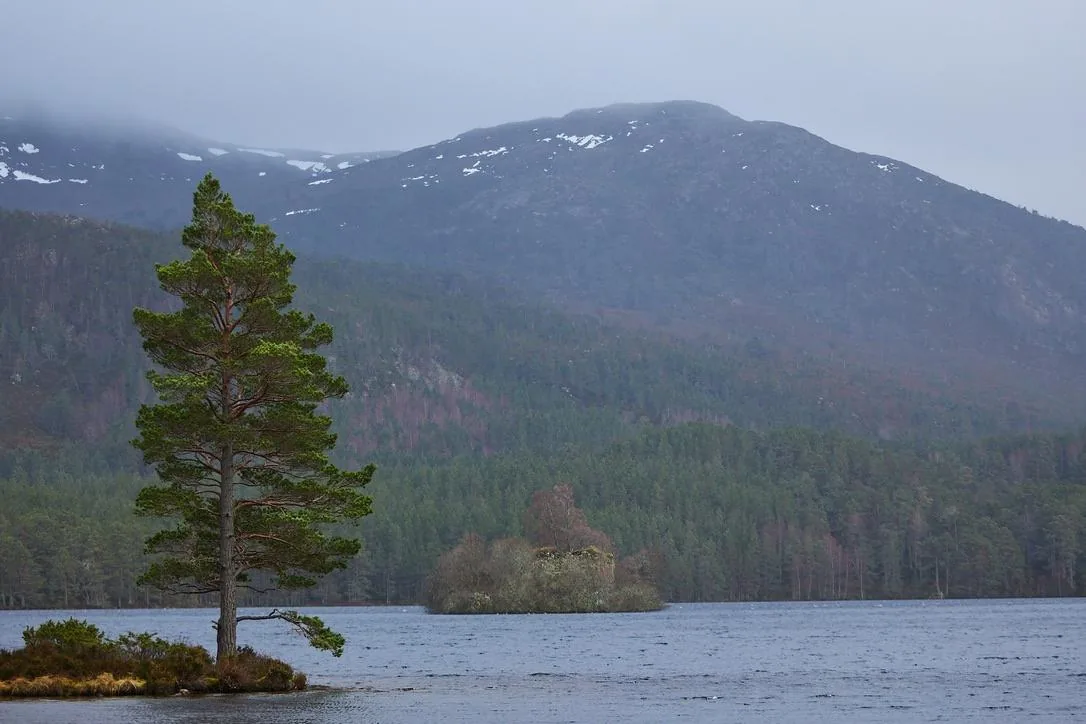
A solitary Scots pine stands on a small rocky islet at the edge of Loch an Eilein, the castle island visible in the middle distance and a snow-dusted Cairngorm summit rising behind. Trees on such islets are often the only survivors in an area because their position puts them beyond the reach of grazing deer.
The Boulder
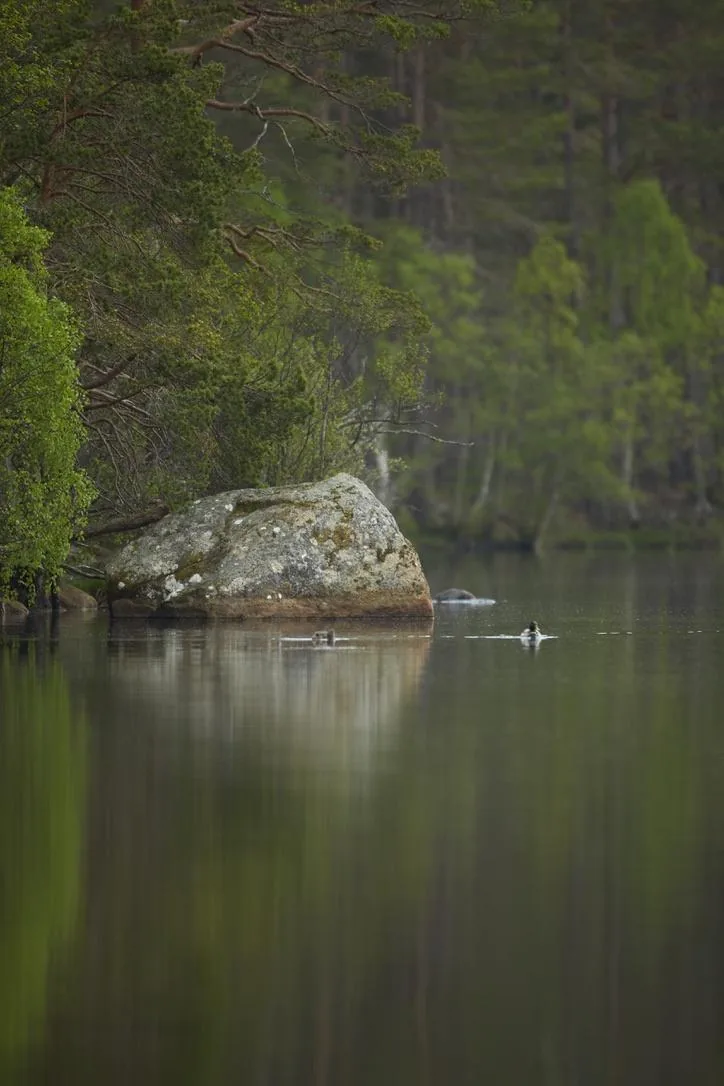
A large lichen-encrusted boulder sits at the loch edge, reflected in still water beside a native pinewood, with a waterbird swimming past in the middle distance. Boulders like this are glacial erratics, transported by ice sheets from distant outcrops and deposited as the ice retreated at the end of the last glacial period.
Pines and Mountains
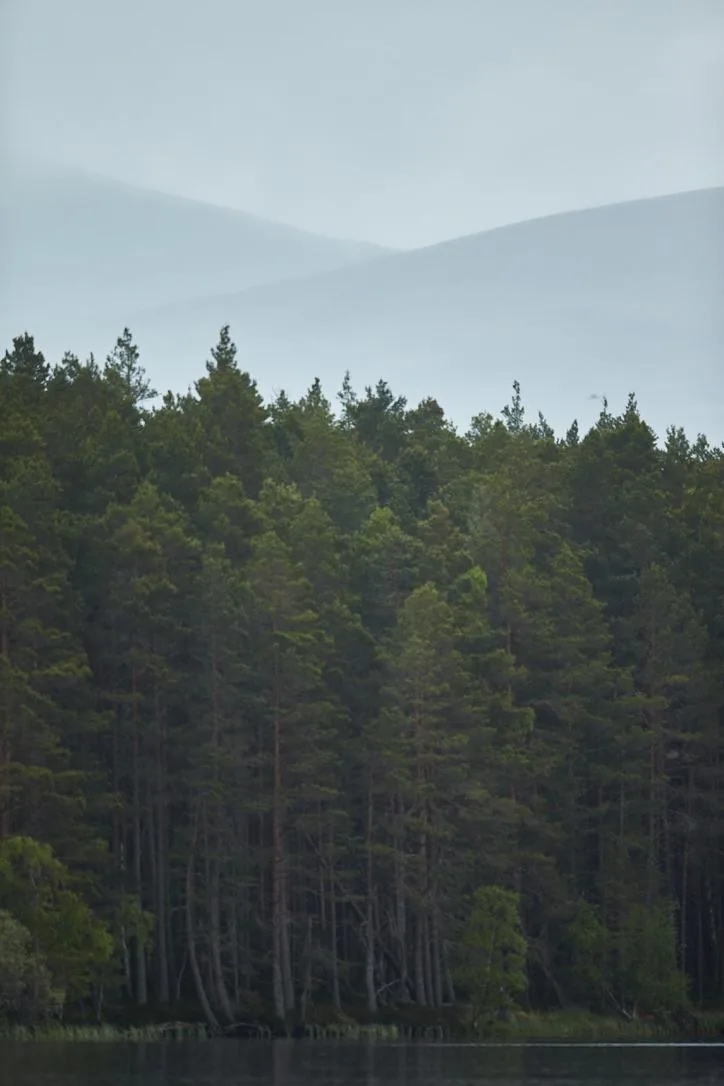
The canopy of a Scots pine forest forms a dark silhouette against a pale grey sky, successive ridges of Cairngorm mountains fading into the mist behind. The layered recession of treeline and mountain ridge is a characteristic view from the shores of the eastern Cairngorm lochs on overcast days.
Pine Canopy from Above
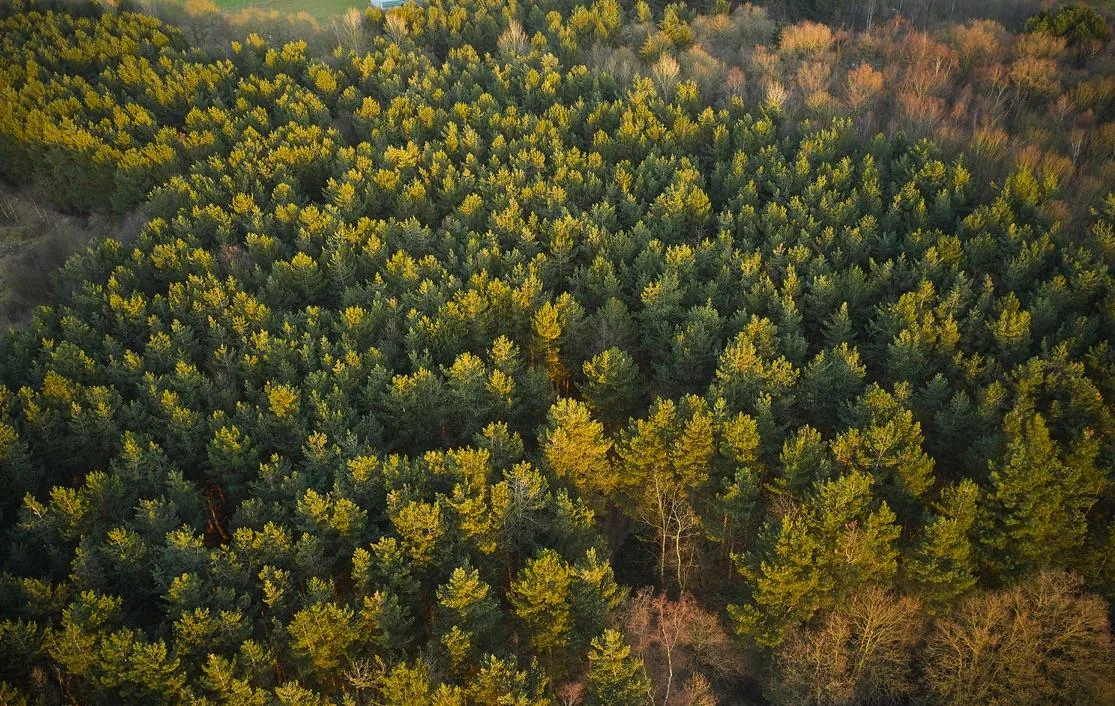
Low evening light catches the crowns of a pine plantation from above, the canopy forming an unbroken green surface broken only by the occasional deciduous tree. The aerial perspective reveals the uniformity of managed plantations in a way that ground-level observation cannot, exposing the regularity of tree spacing across the whole stand.
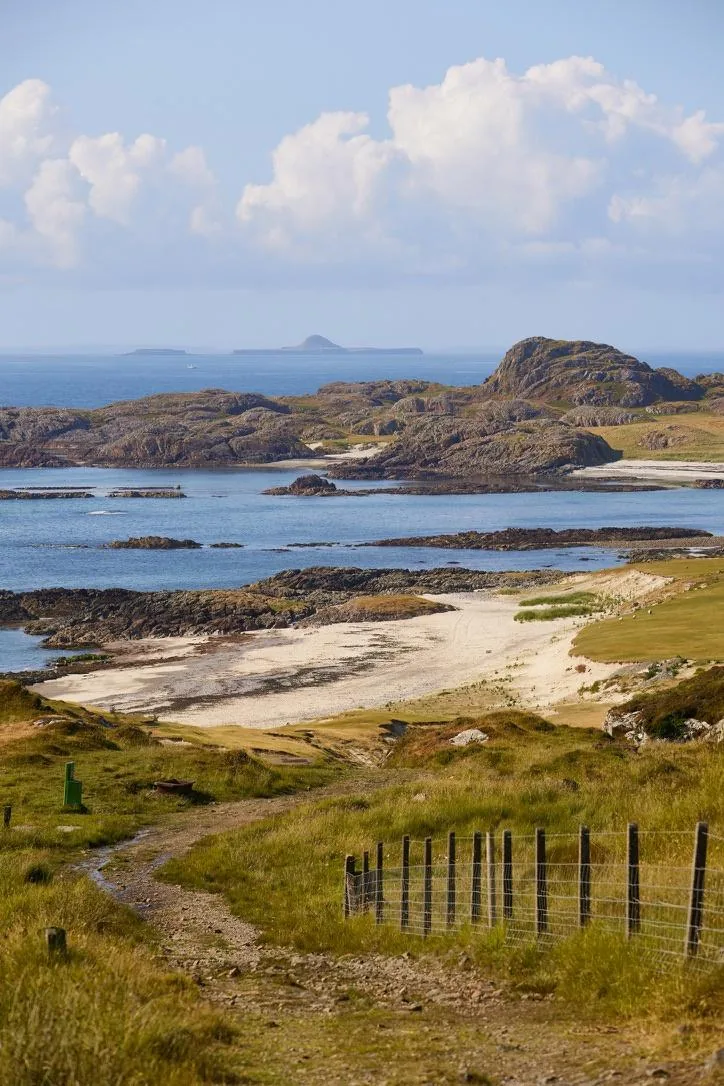
West Highland Coast
A track leads down through rough pasture to a white sandy bay, rocky skerries and small islands scattered across the blue water beyond. This type of coastline, typical of the Scottish west coast, forms where heavily glaciated granite bedrock meets the Atlantic, creating a complex mosaic of bays, headlands and offshore islands.
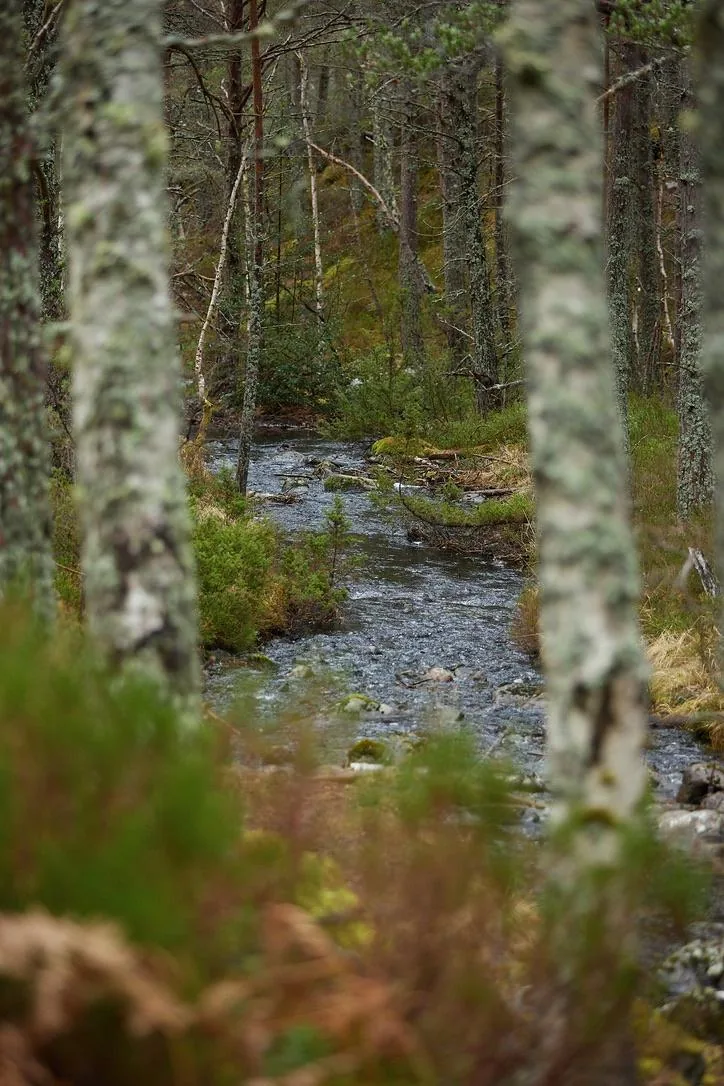
Highland Burn
A small burn runs between lichen-covered birch and pine trunks in a native Caledonian pinewood, framed by out-of-focus foreground trunks thick with grey-green foliage lichens. The abundance of these lichens indicates the exceptionally clean air quality of remote Highland forests. Streams like this are important spawning habitat for Atlantic salmon.